 PARAMETRE
CGI in beauty in 2026: what has changed in recent years
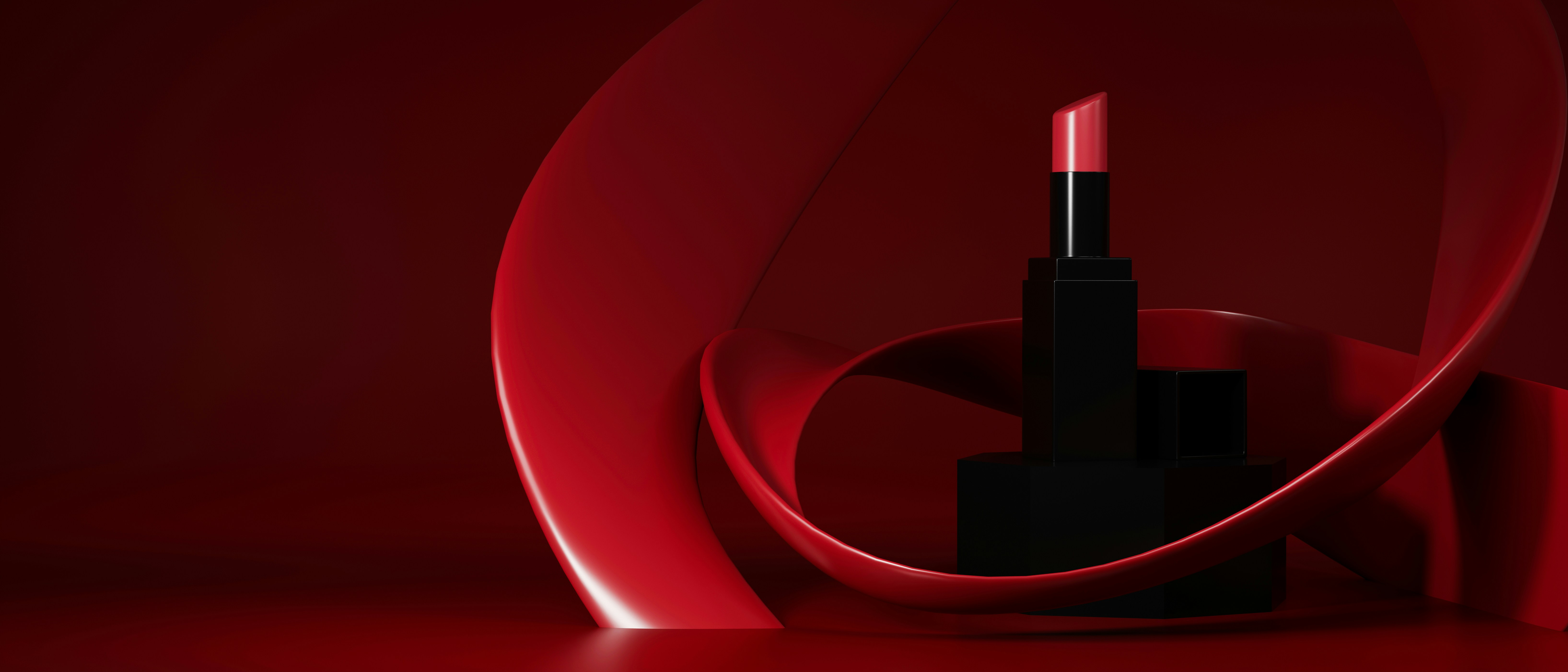
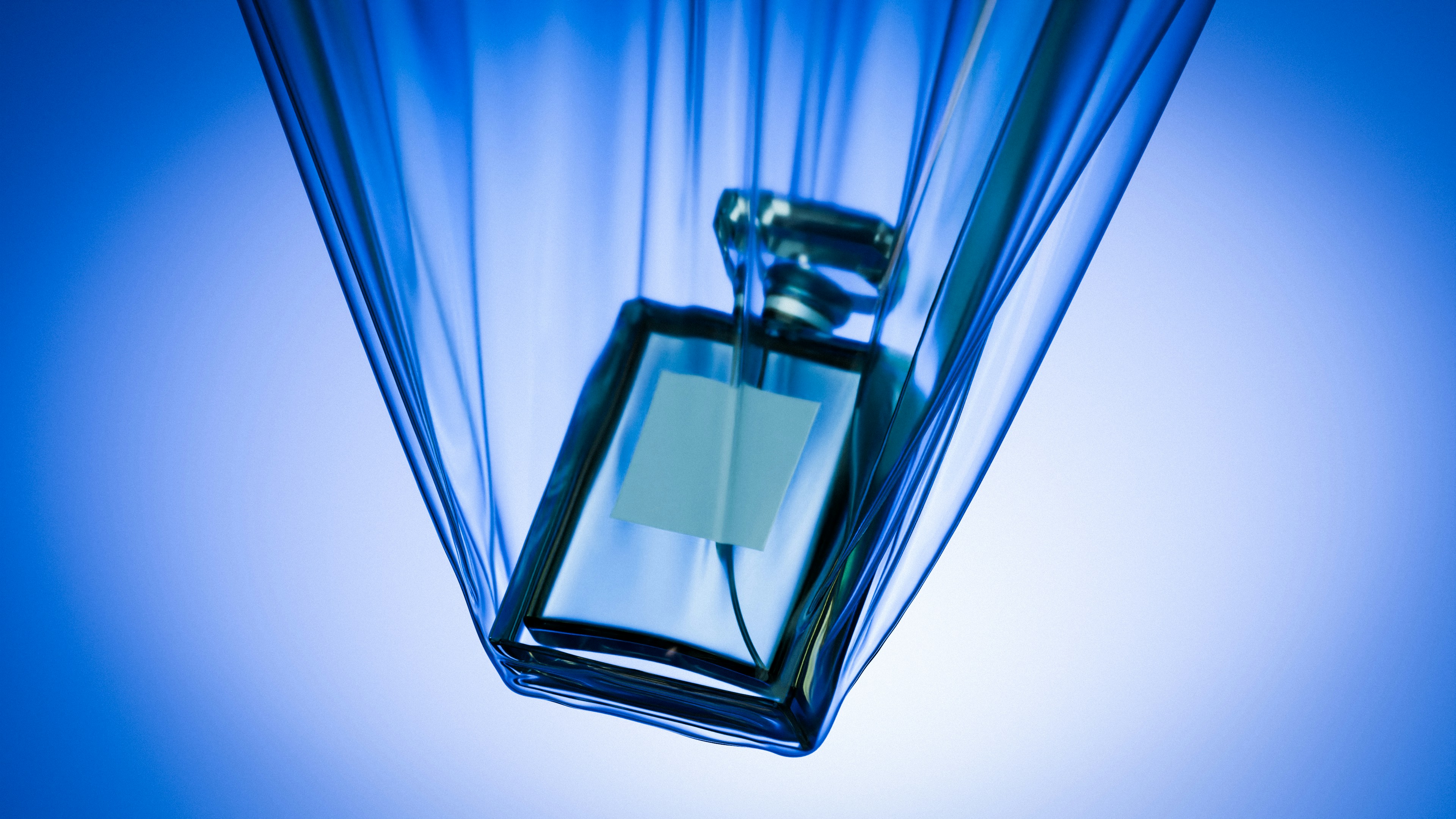
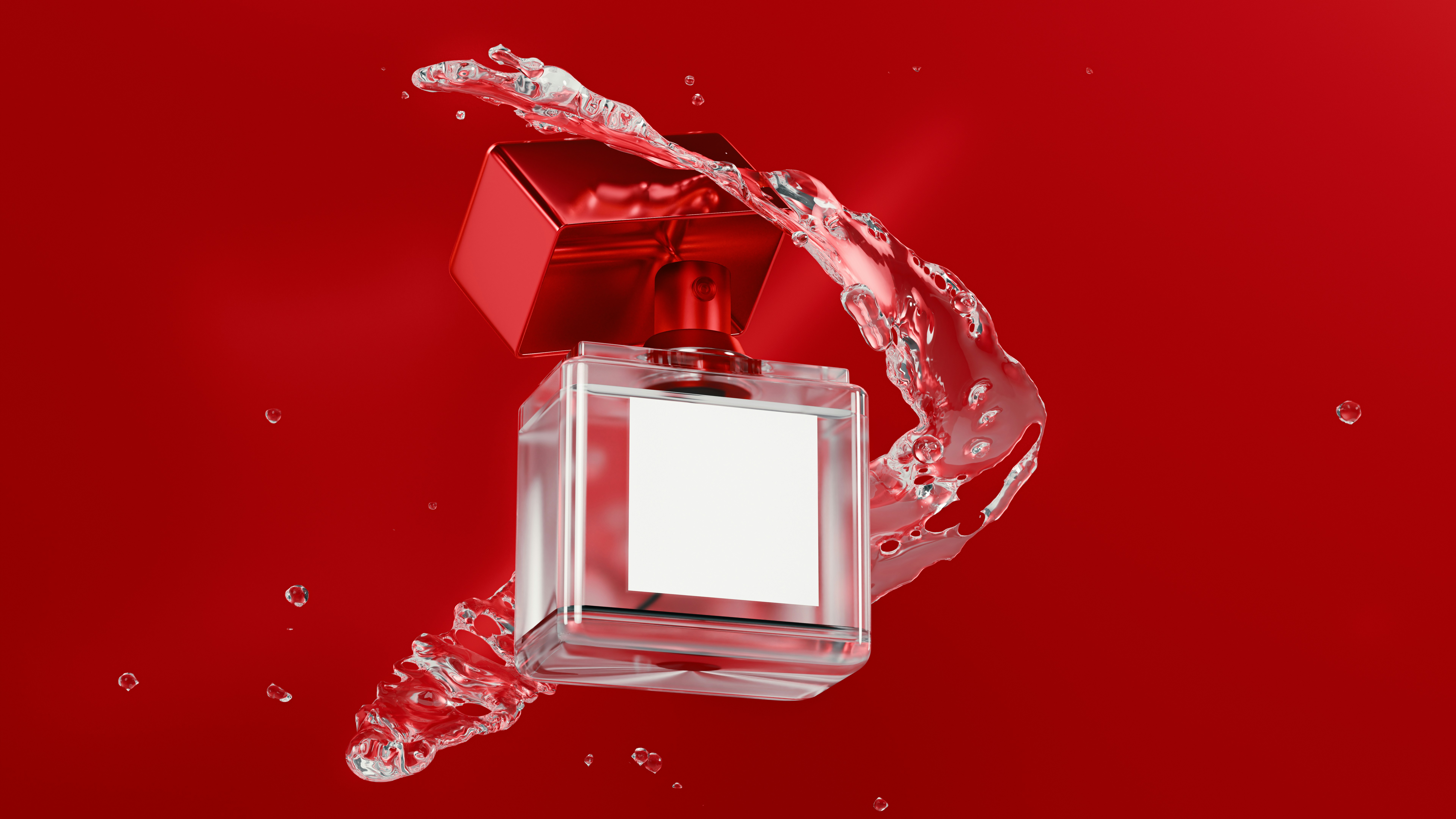
Five years ago, a CGI packshot in the beauty sector was still an exception. A tool reserved for major campaigns, large budgets, projects with the time and means to afford a full 3D production. Today that is no longer the case. CGI has become a serious option for a growing share of brands, from the most established to the most independent. This change did not happen by accident. It is the result of several simultaneous evolutions, technical, economic and cultural, that have profoundly transformed the way beauty brands produce their visuals.
Realism reached a decisive threshold
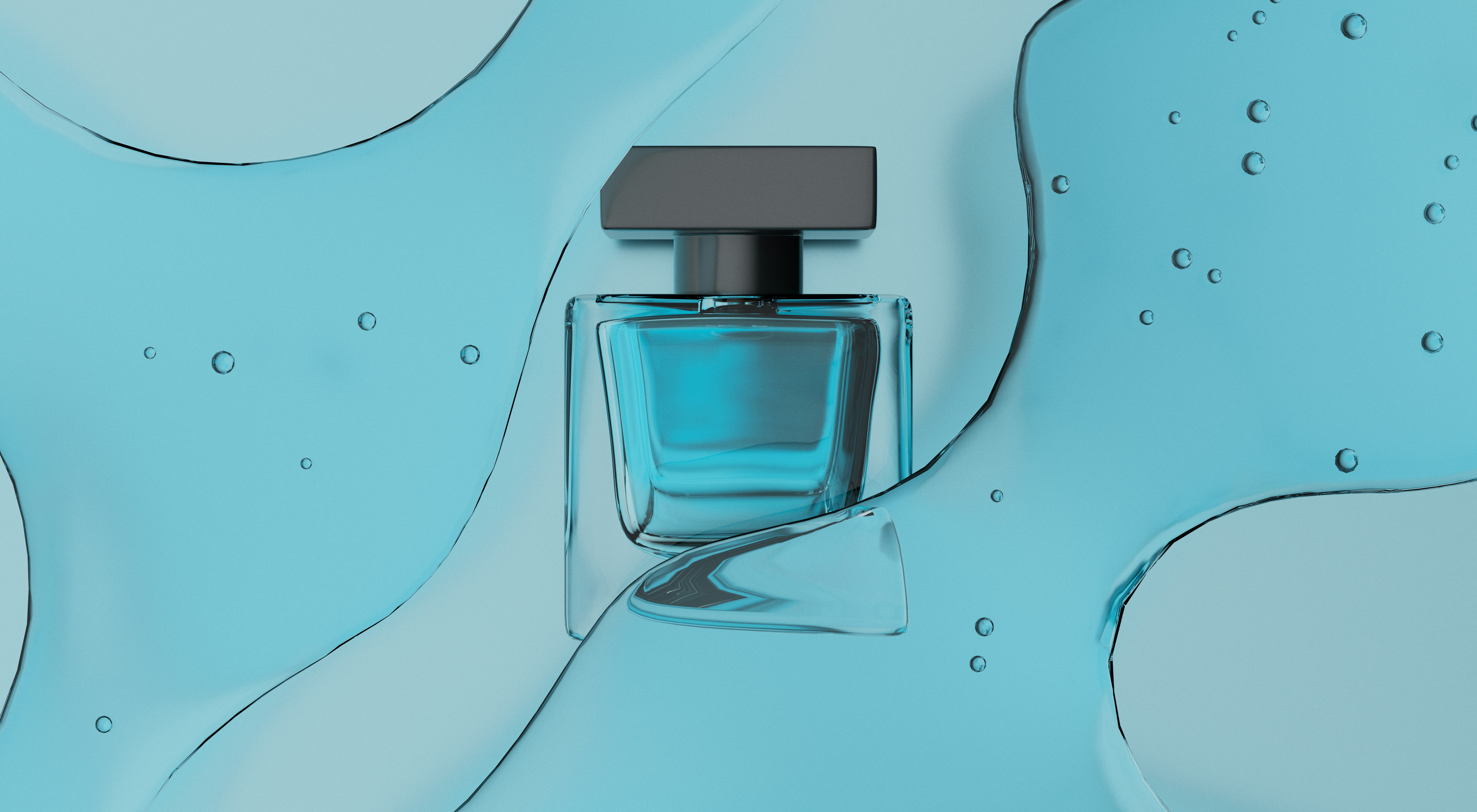
The first evolution is the most visible. Rendering engines have reached a level of photorealism that has fundamentally changed the conversation. For a long time, the question that came up systematically in meetings with creative directors was: can you tell it is CGI? That question no longer really makes sense today. The vast majority of visuals you see in beauty, fragrance and luxury campaigns are partially or entirely generated in 3D, and nobody notices. This is not a minor detail. It is what allowed CGI to establish itself durably in sectors where aesthetic demands are extremely high.
Workflows became more professional
The second evolution is less spectacular but equally important. CGI production processes became structured. A few years ago, integrating a 3D studio into an existing production chain required significant adjustments. Delivery formats were not standardised, validation stages were not clearly defined, and back-and-forth between creative teams and technicians could drag on indefinitely.
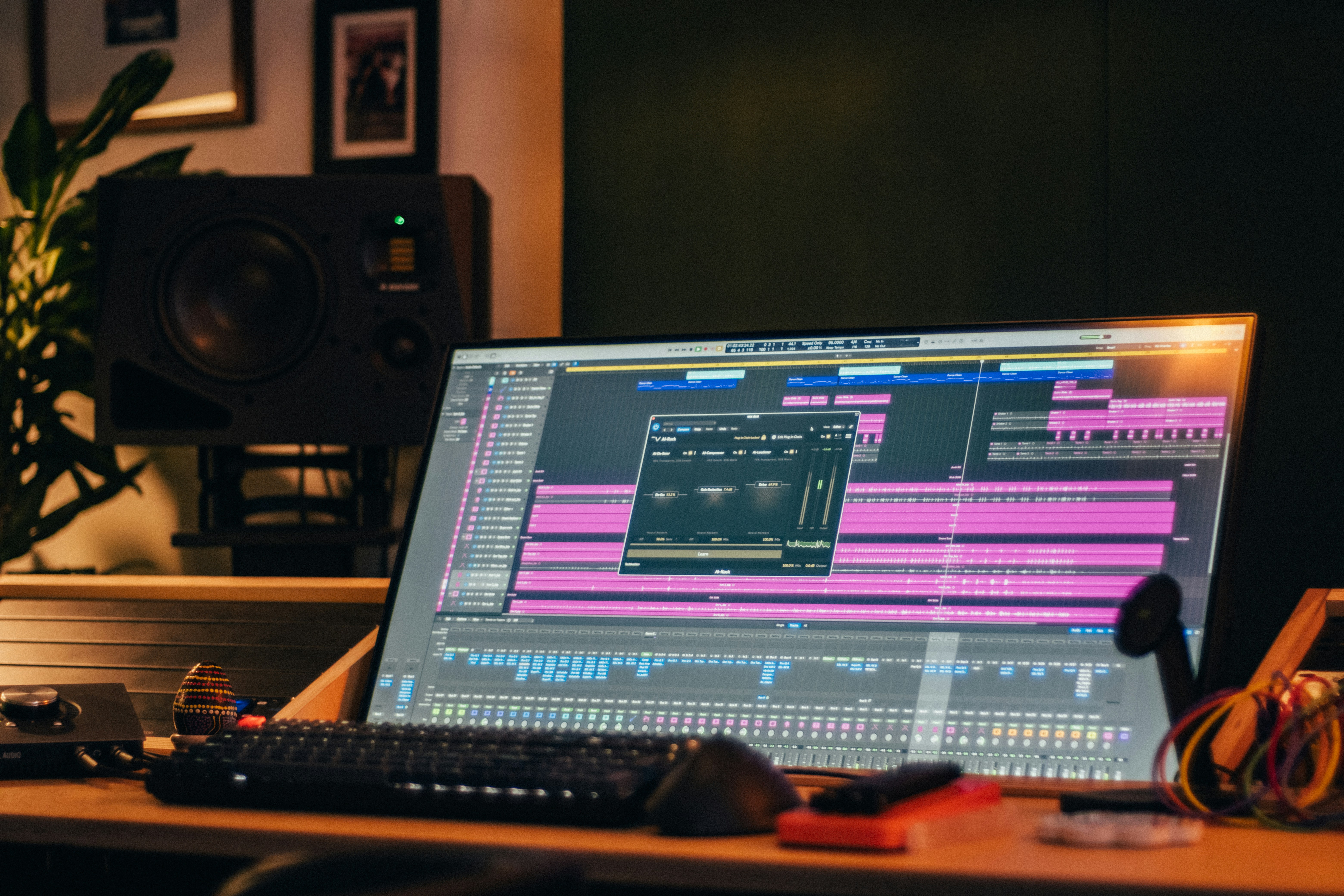
That is no longer the case. CGI studios that work regularly with beauty brands have developed working methods that integrate naturally into the workflows of agencies and marketing teams. Briefs have evolved, validation tools have become more precise, and timelines have become predictable. CGI is no longer a separate project requiring special organisation. It is a production like any other, with its stages, deliverables and deadlines.
Economic accessibility changed the market
The third evolution is economic. The cost of entry into CGI has fallen considerably. Software has become more democratised, computing power has increased, and studios have optimised their processes. What required very large production budgets a few years ago is today accessible to mid-sized brands and even to independent brands in their launch phase.
This change had a structural effect on the market. Brands that could not afford CGI began to consider it. And those that used it occasionally began to integrate it systematically into their visual production. CGI moved from an exceptional tool to a standard one, and this transition is not over.
The demand for variations accelerated everything
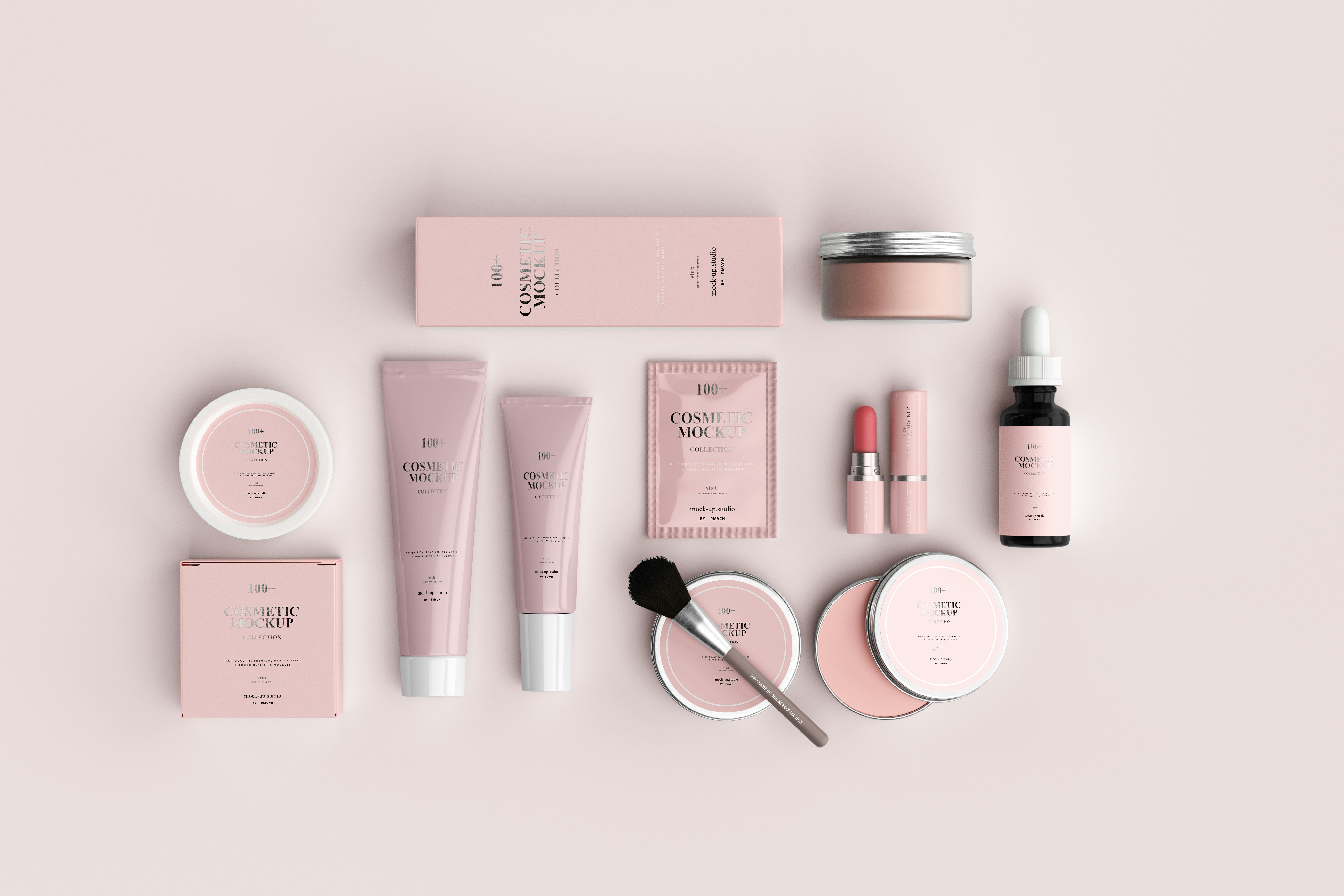
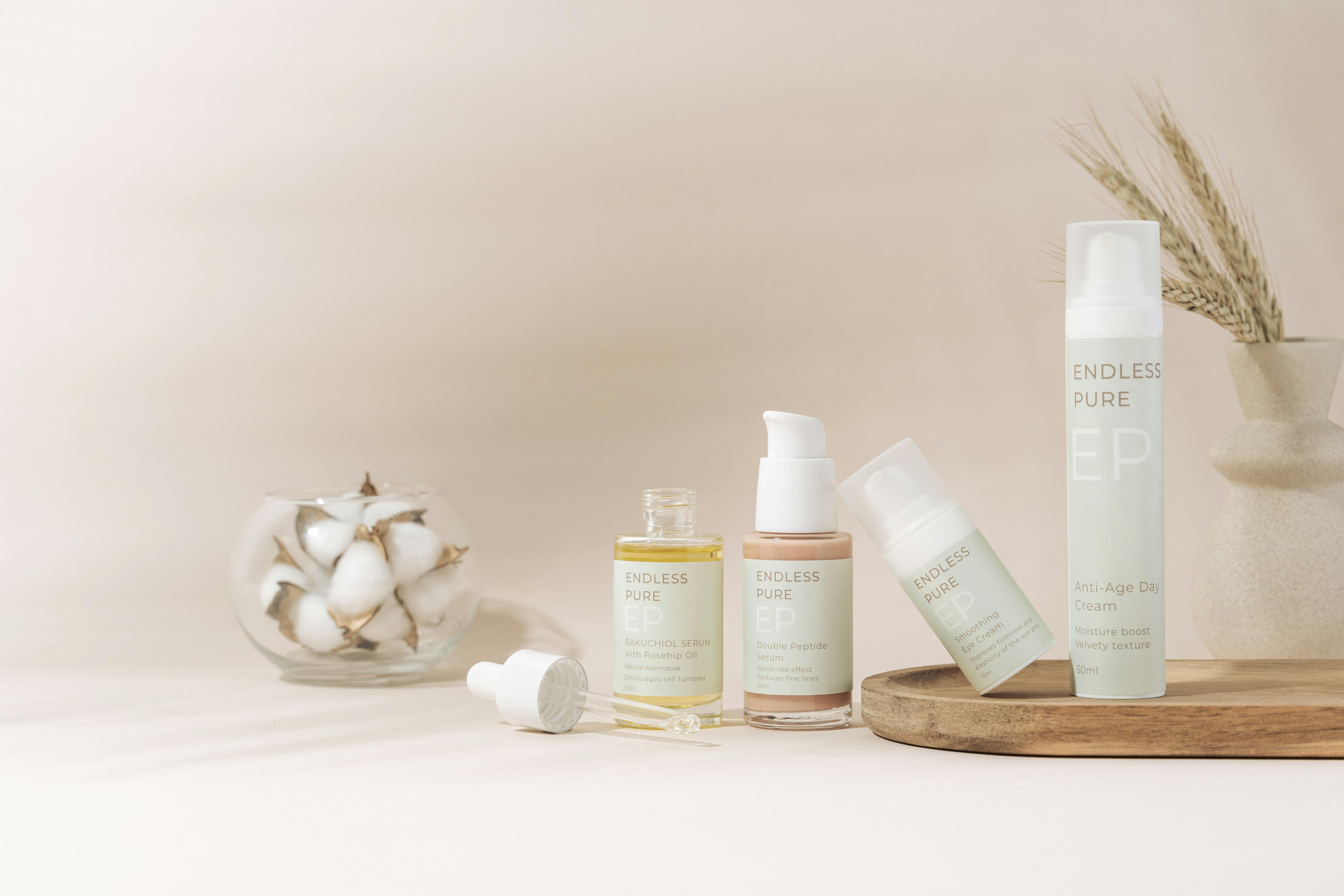
The final factor is perhaps the most decisive. Brands produce far more visuals today than before. Social media, the multiplication of formats, more frequent launches, limited editions: all of this has created constant pressure on creative teams to produce more, faster and in an ever-wider variety of formats. Traditional photo shoots are simply not designed to meet this demand. CGI, on the other hand, is structurally suited to the multiplication of variations. A model built once can generate dozens of different visuals, in every format, angle and colour. It is this capacity that convinced the most prolific brands to switch to 3D, often permanently.
What happened in the beauty sector in recent years is not simply the adoption of a new technology. It is a transformation in the way brands think about their visual production. CGI is no longer an alternative to photo shoots. For a growing number of brands, it has become the standard.
Would you like to integrate CGI into your visual production?
Get in touch →