 PARAMETRE
Why luxury brands are switching to CGI for their advertising visuals
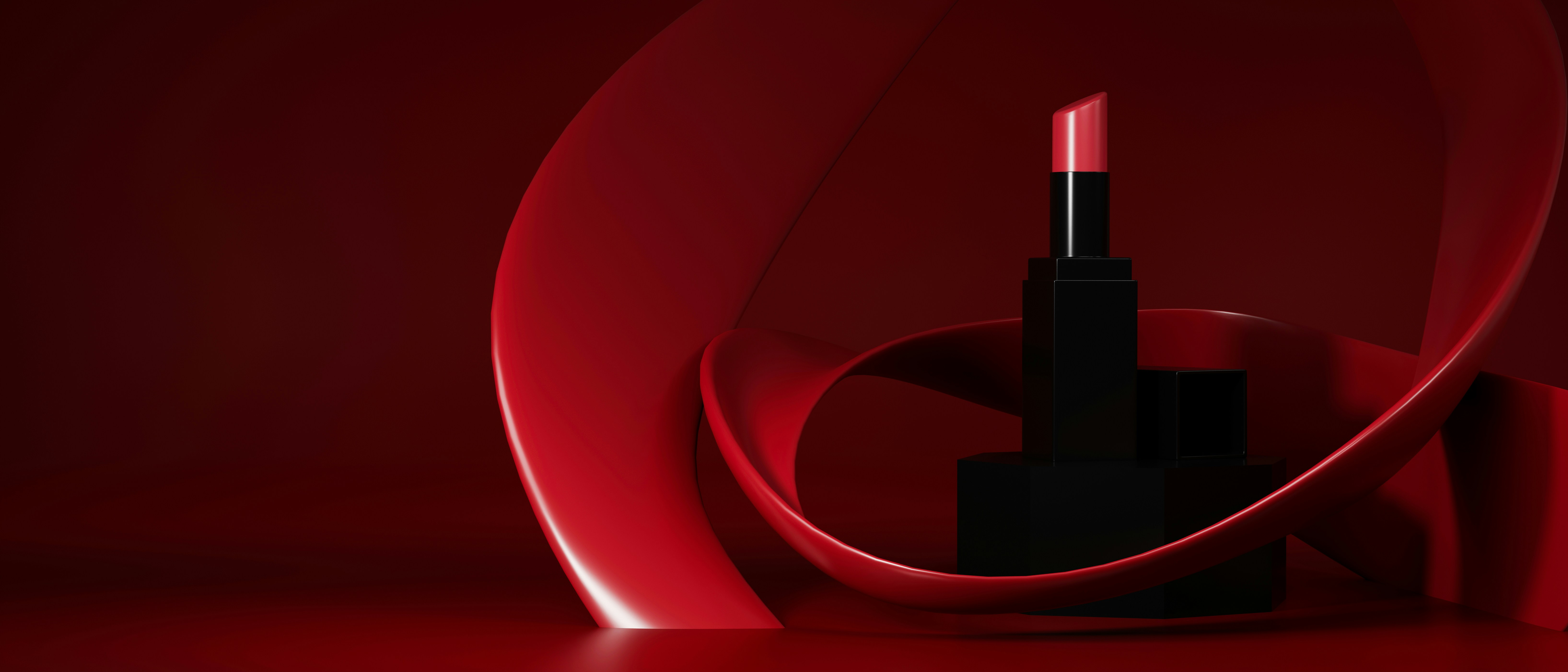
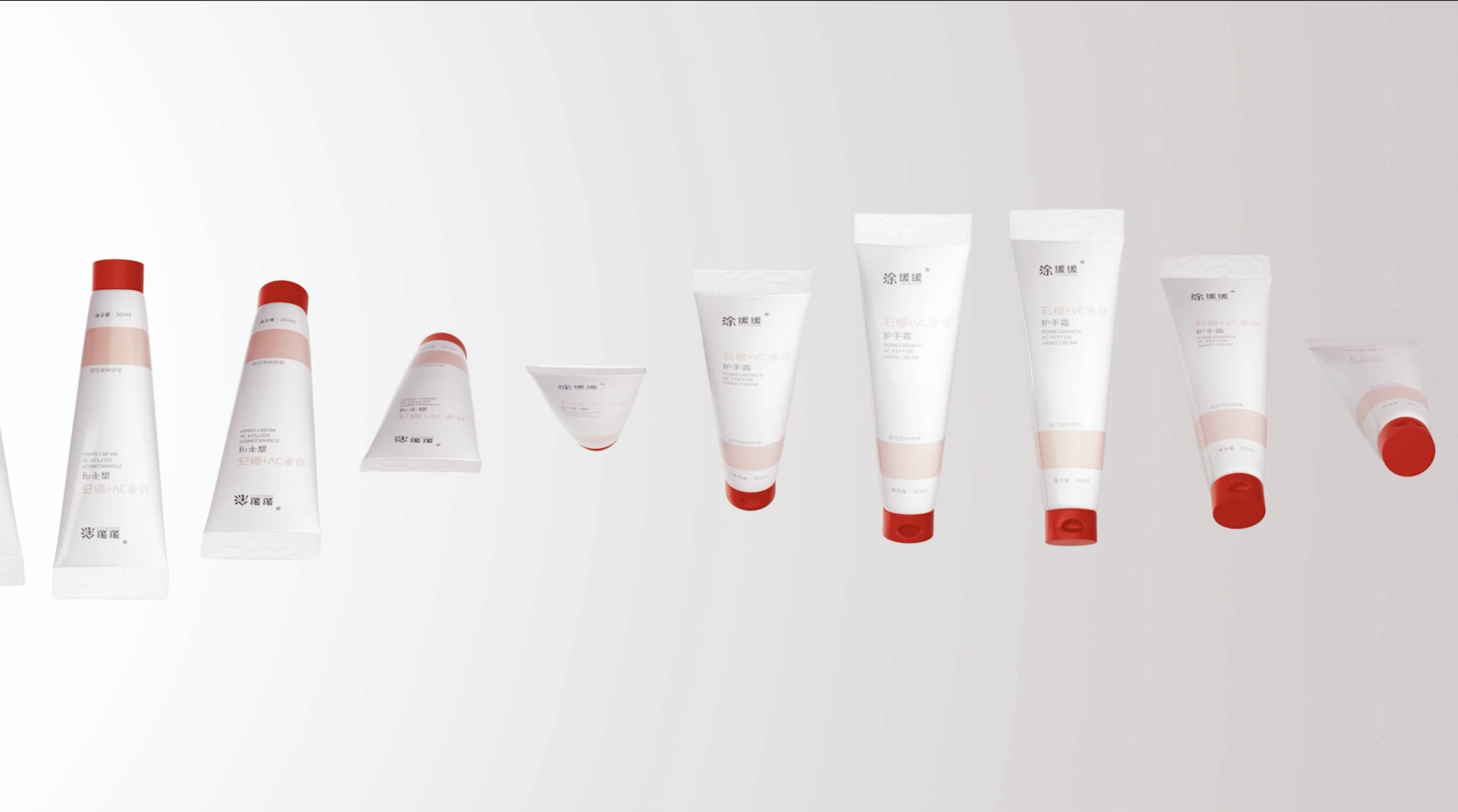
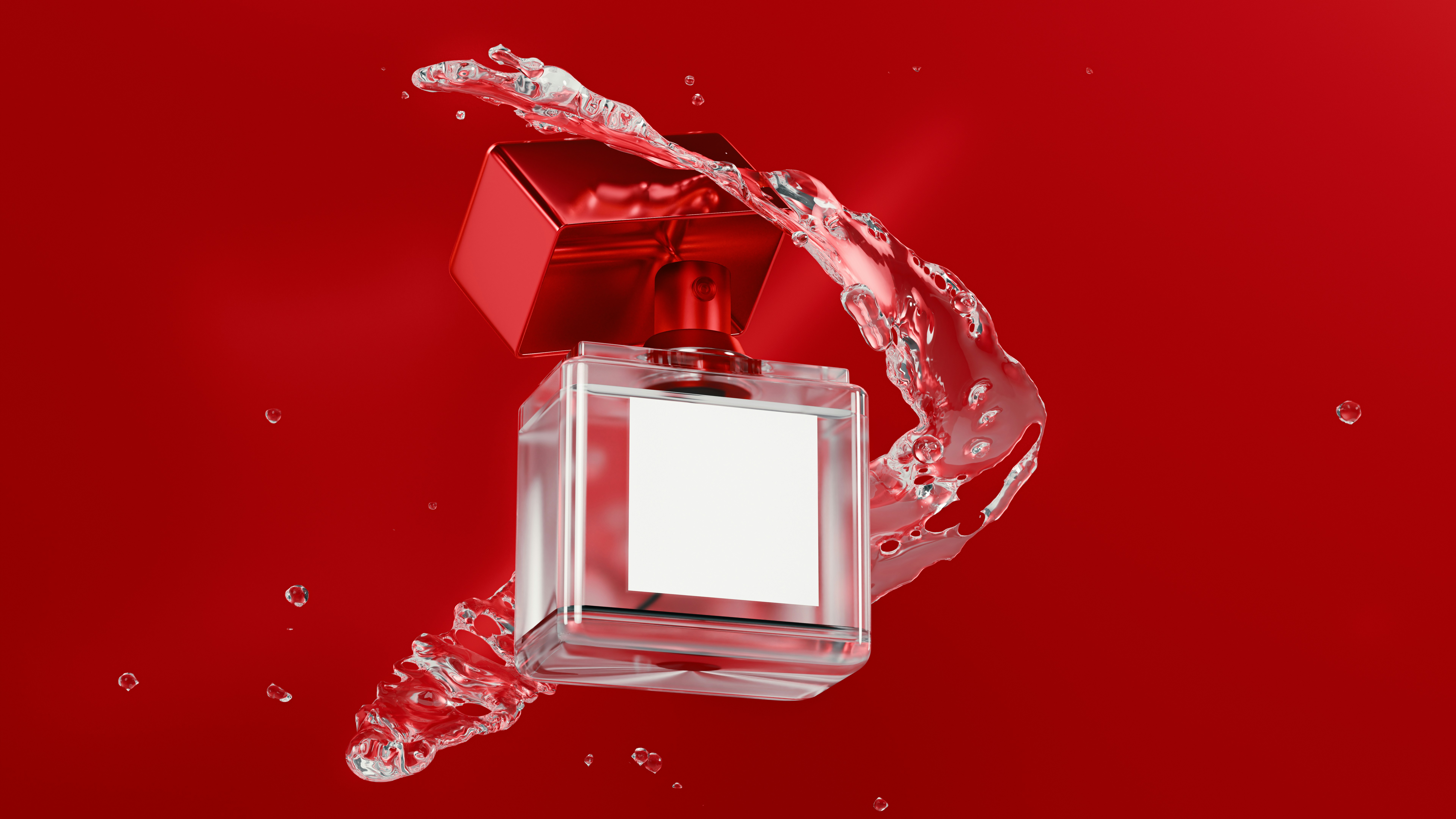
Ten years ago, the idea of replacing a photo shoot with a computer-generated image would have raised eyebrows in the marketing departments of major houses. Today things have changed. Not because the technology imposed its logic, but because brands understood what CGI truly offers them.
Total control over the visual
The first argument, and often the most decisive, is control. In traditional shooting, even with the best team in the world, there is always an element of unpredictability. A reflection that does not fall exactly where you wanted it, a material that reacts differently under the heat of studio lights, packaging that arrives with a micro-defect you only notice once the images are retouched. In CGI, we build the scene pixel by pixel. Every reflection is placed intentionally. Every shadow is controlled. The result is exactly what was decided, nothing more, nothing less.
Limitless visual flexibility
The second advantage is flexibility. A 3D model, once built, can be reused an unlimited number of times. Change the background colour, modify the lighting, add a variation in shade, adapt to a different format: in CGI, each of these operations is a matter of hours, not days. For a luxury brand that produces campaigns across multiple markets, multiple seasons and multiple media simultaneously, this flexibility is not a comfort, it is a structural gain.
A level of perfection the photo rarely achieves
In luxury, the product must look perfect. Not realistic in a spontaneous sense, but perfect in a controlled sense, where every detail has been considered and every imperfection eliminated. CGI allows this level of demand in a way that photo retouching cannot fully match. In post-production, you correct what the photo captured. In CGI, you build what you want from the start. The result is a visual that carries the brand's exacting standards in a way that is immediately perceptible, even without the viewer being able to name why.
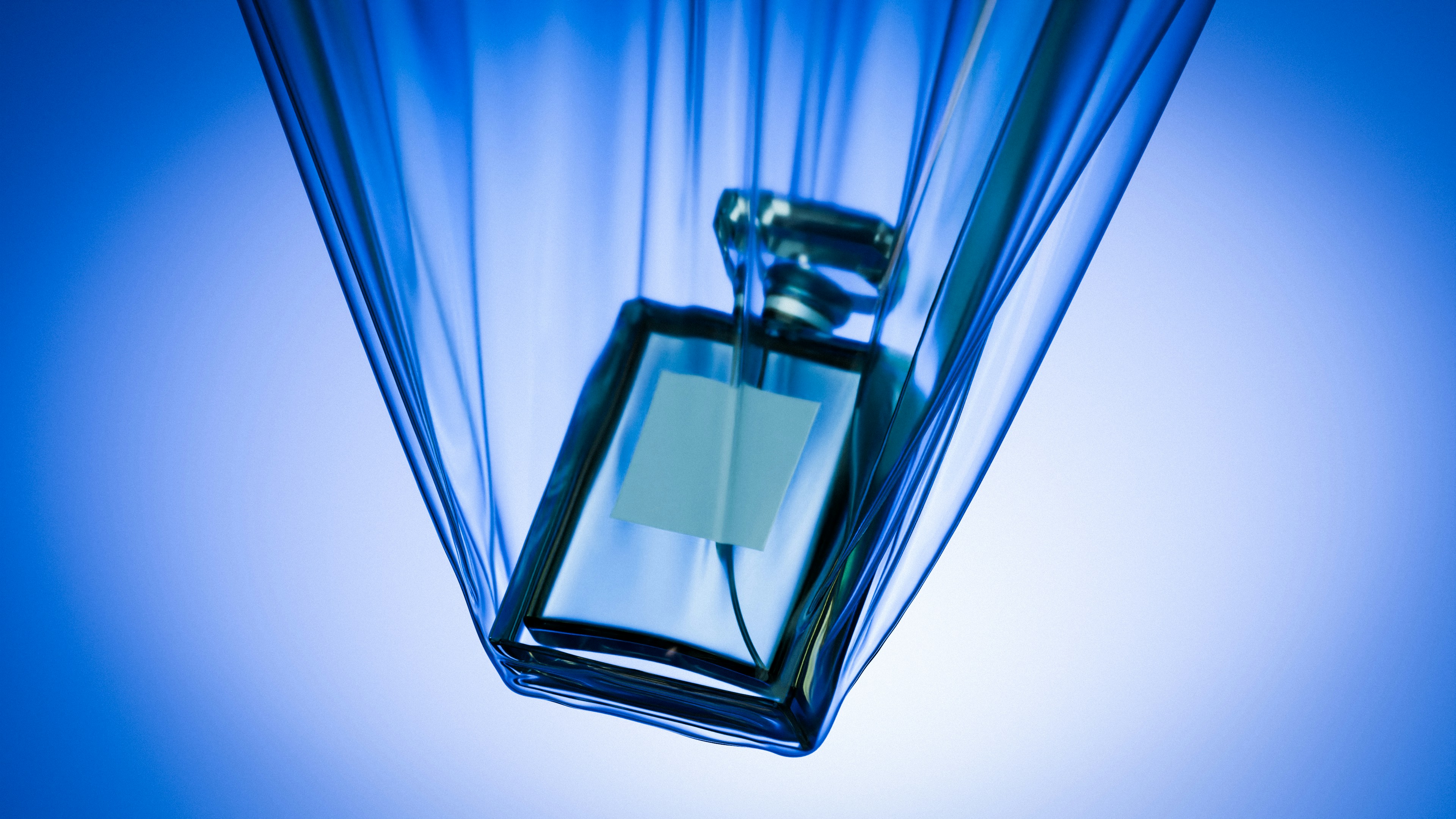
A production that adapts to brand requirements
Luxury brands work with precise graphic charters, established colour codes and visual languages that must remain consistent across all markets and all years. CGI integrates these requirements directly into the production process. The 3D model incorporates the brand's standards from the outset, and every visual produced from it automatically inherits them. This consistency, which in photo would require extensive post-production work on every image, becomes a natural by-product of the CGI workflow.
The shift to CGI among luxury brands is not a fashion. It is a rational response to increasingly demanding requirements in terms of quality, consistency and speed of execution. The brands that made this transition early are the ones that today produce more, faster and at a higher standard than those still working with traditional methods.
Would you like to explore what CGI can offer your brand?
Get in touch →