 PARAMETRE
Photo packshot vs CGI packshot: which one to choose for your brand?

It is one of the most frequent questions we receive from creative directors and project managers. Photo or CGI? The honest answer: both have their place, but not in the same situations. Here is how we help our clients decide.
What photo does better
Product photography retains real advantages. It is often quicker to set up for a simple product with a single visual needed. It captures organic textures, such as raw wood, skin or natural materials, with a spontaneity that CGI must painstakingly recreate. And for certain contexts, particularly lifestyle visuals featuring people, it remains irreplaceable.
What CGI does better
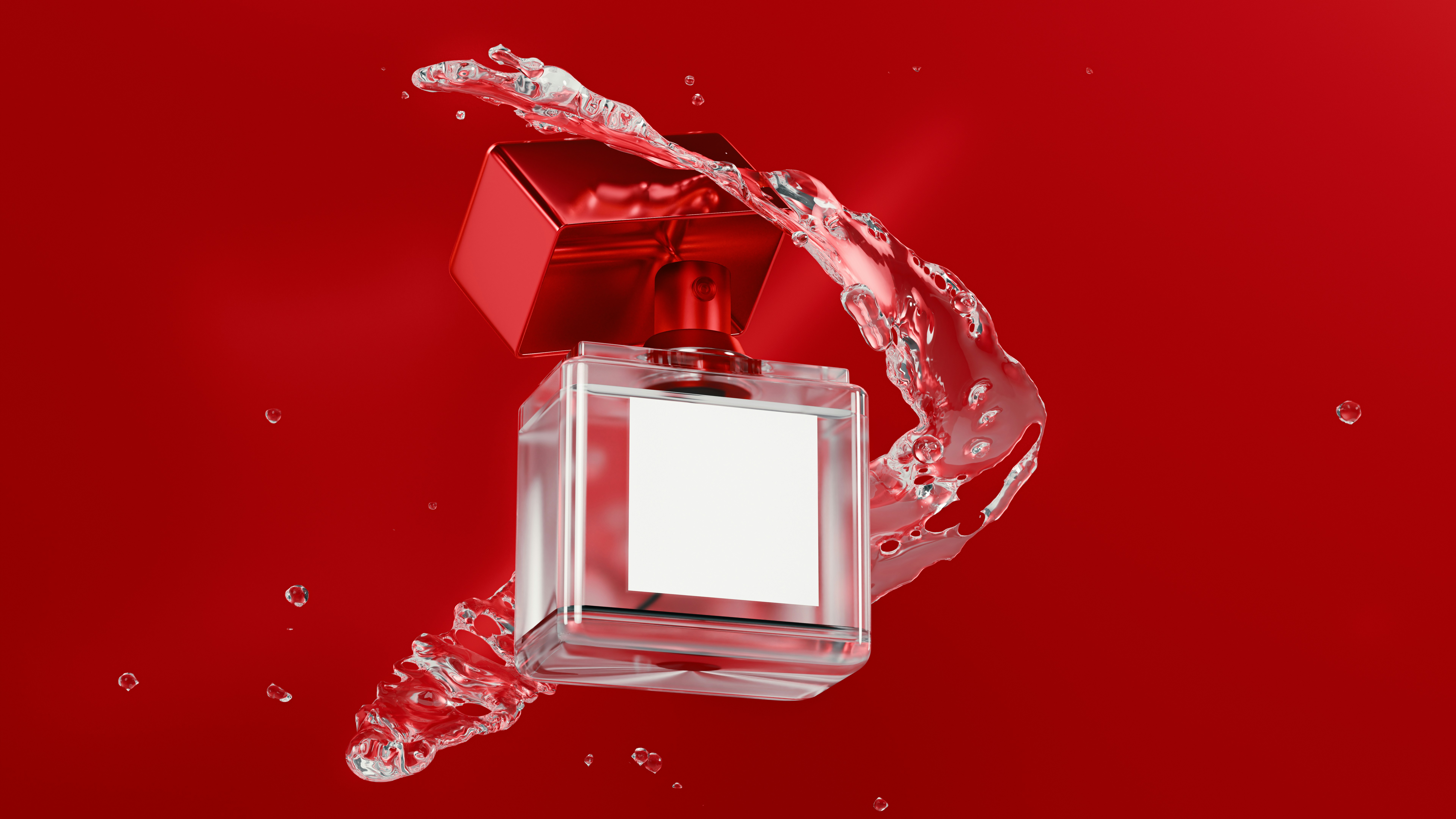
CGI takes the lead as soon as the production involves multiple references, multiple colour variations, or complex materials such as glass, metal or translucent packaging. It is also the preferred solution when the product does not yet physically exist, when it is too fragile to be handled on set, or when the creative direction requires a perfect visual that post-production alone cannot deliver from a photograph.
The decisive factors
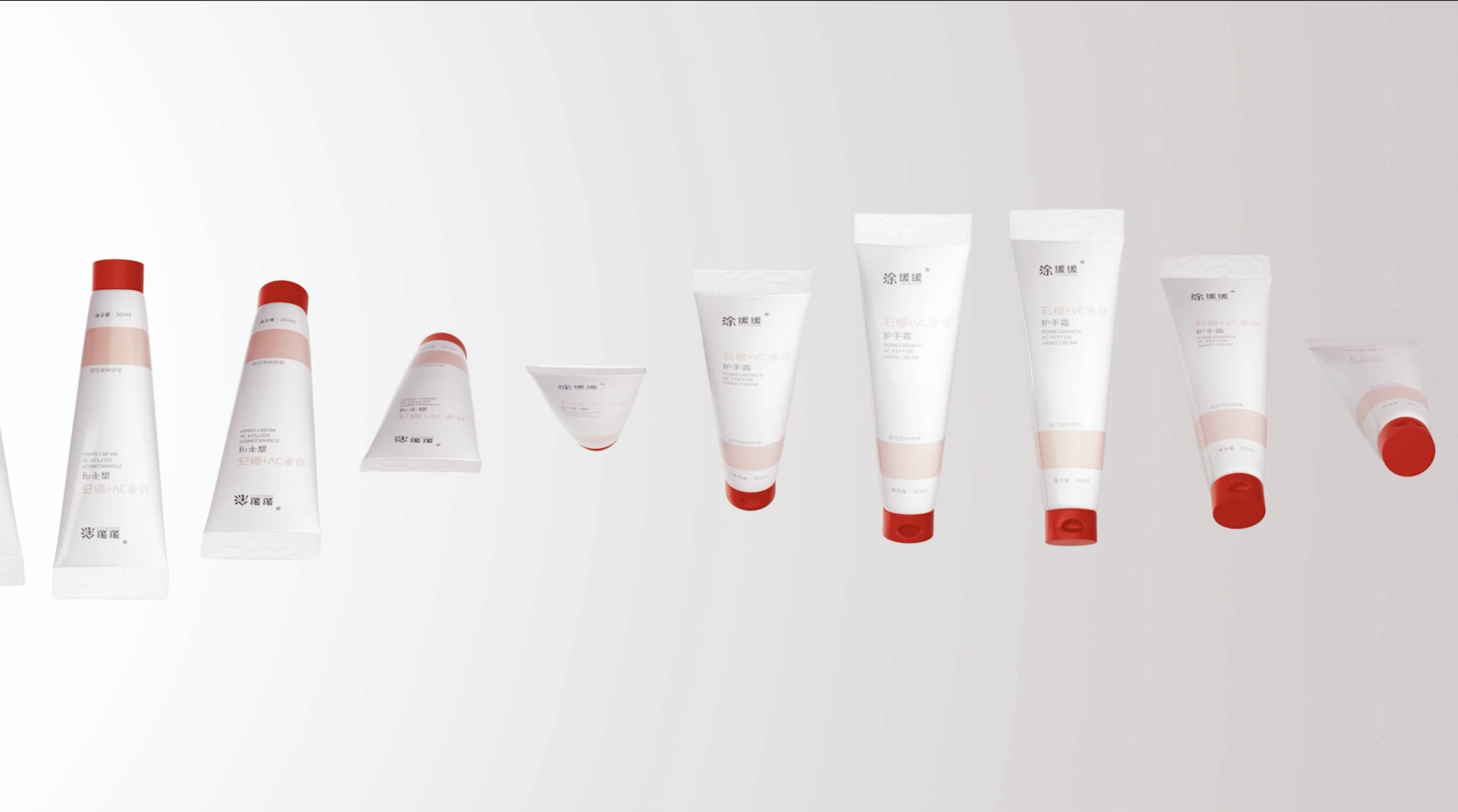
The choice between photo and CGI is rarely a question of principle. It depends on several concrete factors: the number of references to produce, the degree of material complexity, the available timeline, the need for future variations, and the required consistency with existing visuals. A brand launching a range of thirty references will almost always benefit more from a CGI investment than from thirty separate photo sessions. A brand needing a single visual quickly for a specific activation might opt for a targeted shoot.
And if you combine both?
Many productions combine the two approaches. A photo shoot captures the human or environmental dimension of a campaign, while the product visuals are produced in CGI. This allows each technology to be used where it genuinely excels, without compromise. It is an approach we recommend frequently, particularly for beauty campaigns where the brand universe is built around both people and products.
The question is not which technology is better in absolute terms. It is which one best serves the specific needs of your project, your timeline and your visual ambitions. That is what we help you determine.
Not sure which approach is right for your project?
Get in touch →