 PARAMETRE
CGI and e-commerce: why beauty brands are changing their product visuals
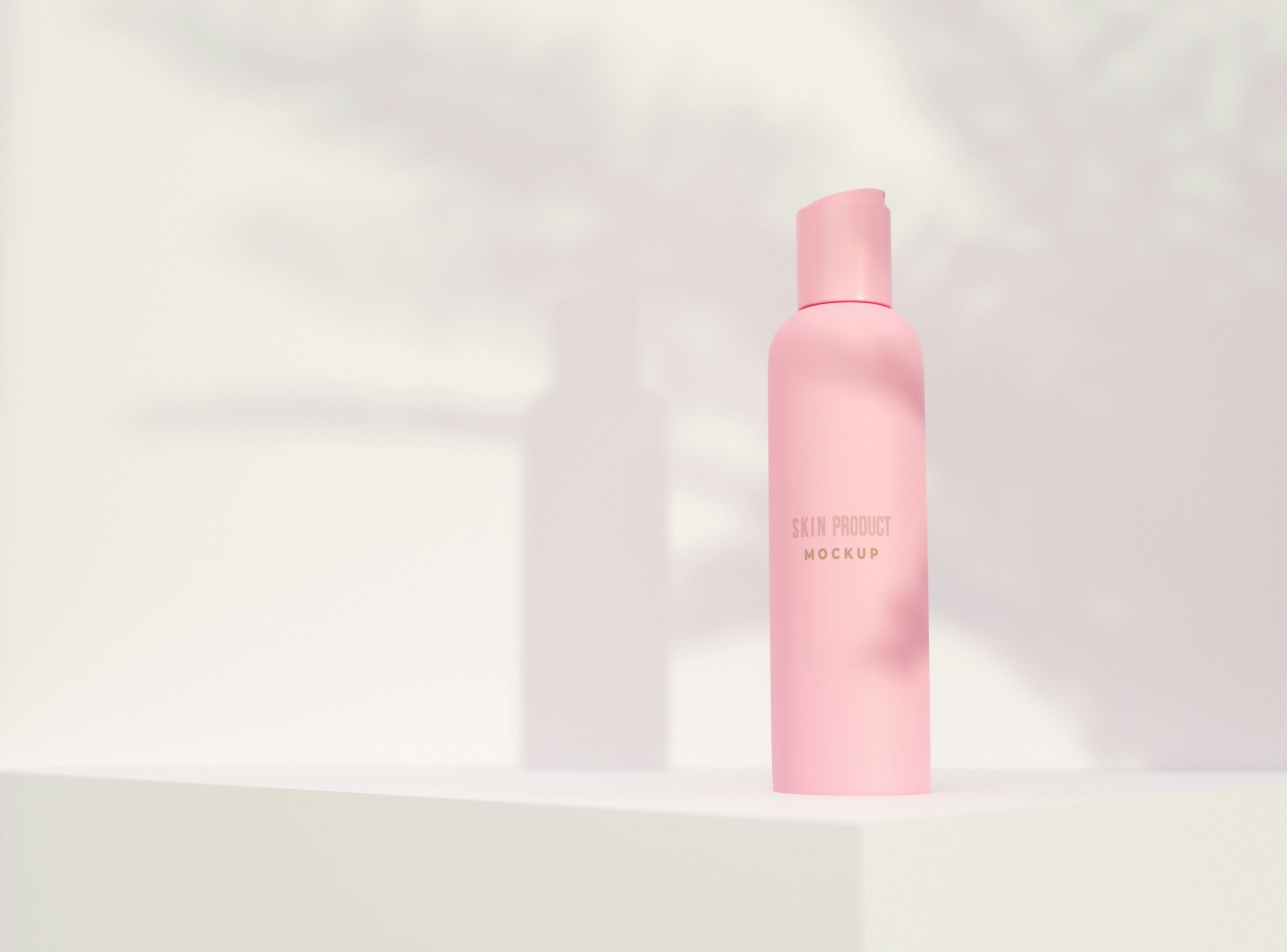
The product page has become the most important point of sale for a beauty brand. It is where the purchase decision is made, often in a matter of seconds, faced with an image and a price. In this context, the quality of the product visual is not an aesthetic detail. It is a direct commercial argument. And this is why a growing number of brands are replacing their product photography with CGI on their e-commerce pages, with results that justify the investment many times over.
The problem with traditional product photography in e-commerce
A classic product photograph has a limited lifespan. The packaging evolves, colours change, a new reference is added to the range. With each modification, a new shoot must be organised, teams coordinated, products shipped, retouching waited for. For a brand managing several dozen references with regular updates, the cumulative cost is very significant. And during production delays, the old photographs stay online, sometimes inconsistent with the actual packaging the customer will receive.
There is also the question of consistency. A range photographed over several years, with different teams, in different studios, inevitably creates variations in lighting, angles and colour. On a product page, these variations show, and they blur the brand's visual identity.

What CGI concretely changes
In CGI, the 3D model of a product is a permanent asset. Once built, it can generate an unlimited number of visuals under perfectly controlled and reproducible conditions. Changing a bottle's colour, adding a reference to the range, adapting the image to a new platform format: all of these operations start from the same model and take a fraction of the time they would take with a new photo shoot.
For an e-commerce product page, this translates concretely into visuals that are always consistent with each other, regardless of when they were produced. The lighting is the same across the entire range. The main angle is identical across all references. The colour is faithful to the actual product. These constants seem basic, but they are difficult to maintain over time with photography, and they have a direct impact on how consumers perceive the brand's quality.
Formats specific to e-commerce
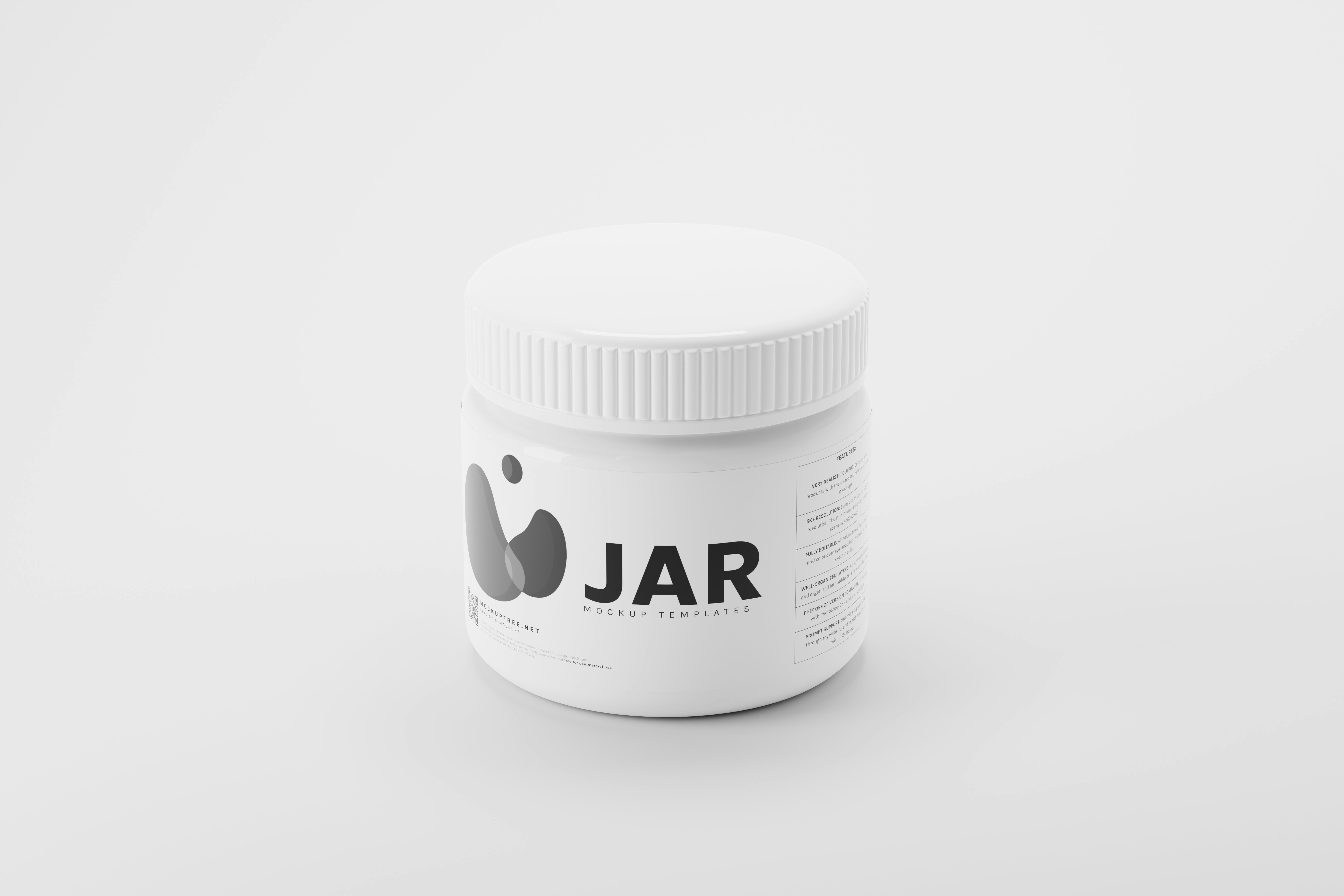
E-commerce beauty has its own visual requirements. White or transparent background for marketplaces, square for some platforms, rectangular for others, cut-out thumbnail for price comparison sites, version with cast shadow for the brand website. In photography, each additional format requires either a new shoot or significant retouching work. In CGI, each format is derived from the same render in a matter of minutes, because the background, shadow and framing are parameters of the 3D scene, not physical elements.
This is particularly valuable for brands selling across multiple channels simultaneously: their own site, Amazon, international retailers, beauty apps. Each has its technical specifications and format constraints. With CGI, responding to all these requirements without multiplying productions has become straightforward.

The question of conversion rates
Does a better quality product visual have a measurable impact on sales? The answer is yes, and brands that have made the transition report significant improvements in their e-commerce metrics. The quality of the visual influences the time spent on the product page, the click-through rate on images and the confidence in the product's quality, which translates directly into conversion rates and return rates.
It is not simply a matter of having "beautiful" images. It is about images that show precisely what the consumer will receive, in lighting conditions that enhance the materials and finishes of the packaging, with a consistency that builds trust in the brand. CGI, because it allows total control over all these parameters, has become the most suitable tool for these requirements.
E-commerce has fundamentally changed what is expected of a product visual. It is no longer about creating a beautiful image for a printed catalogue to browse. It is about convincing someone in a few seconds, on a smartphone screen, in a context where they are comparing several products simultaneously. In this context, CGI is not a luxury. It is a necessity.
Would you like to improve the visuals on your product pages?
Get in touch →