 PARAMETRE
Packaging in development: how to create visuals before the product exists
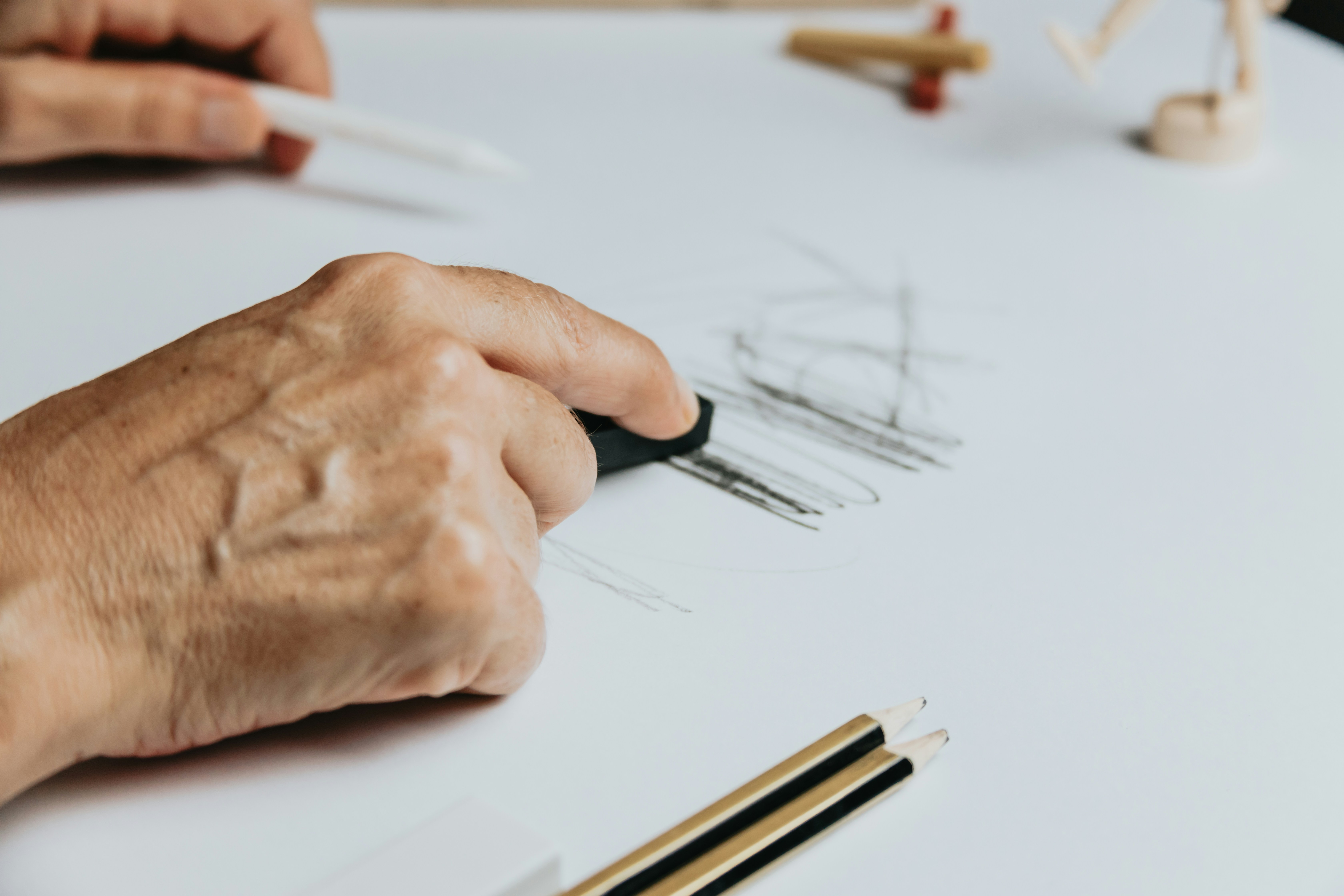
It is a problem almost every brand encounters at some point: the product is in development, the packaging is not yet manufactured, but visuals are already needed. For the e-commerce site that opens on launch day. For the pre-sale campaign. For the buyers and distributors to convince. For the marketing team that needs to prepare content several weeks in advance. The product does not yet physically exist, but its image needs to exist now.
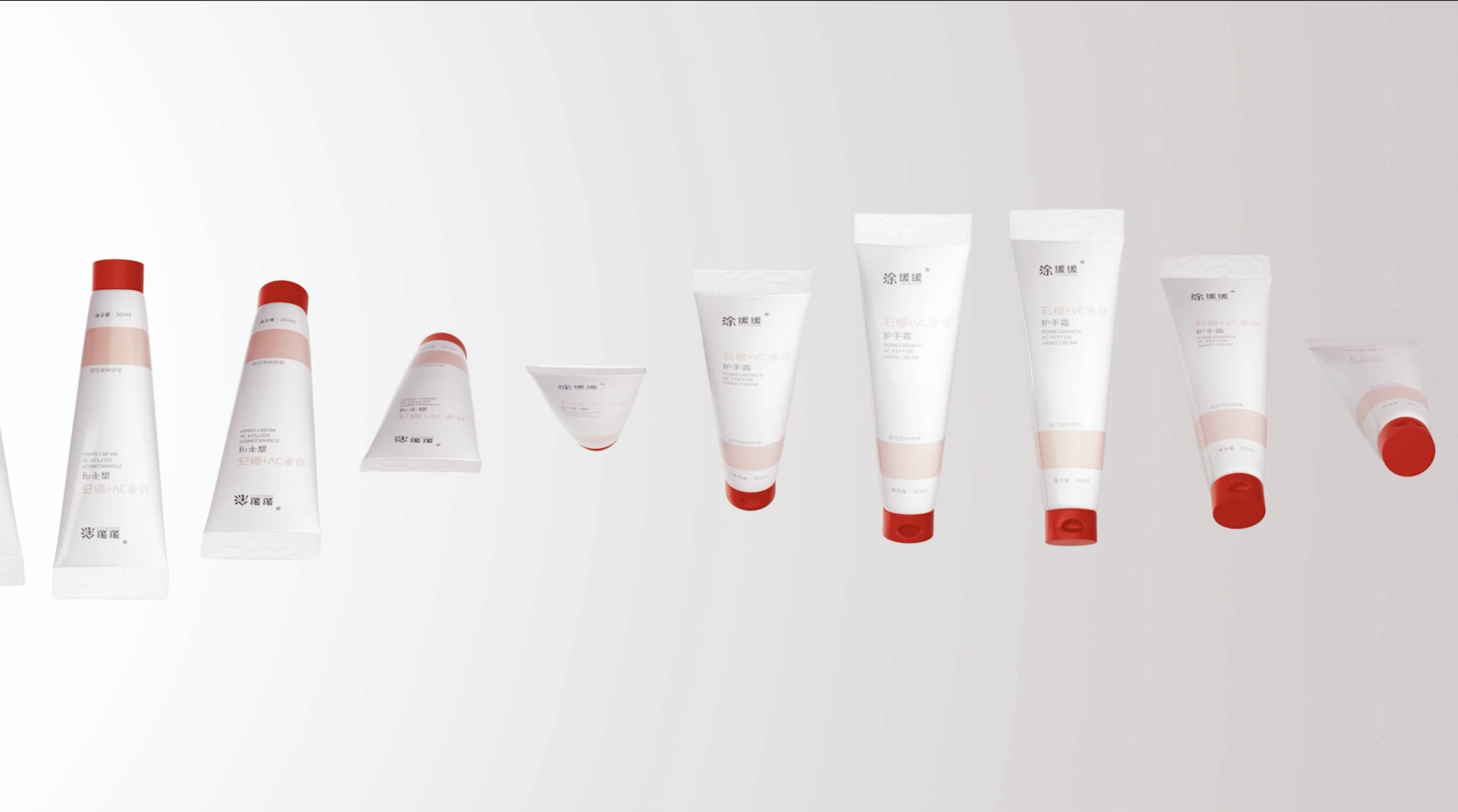
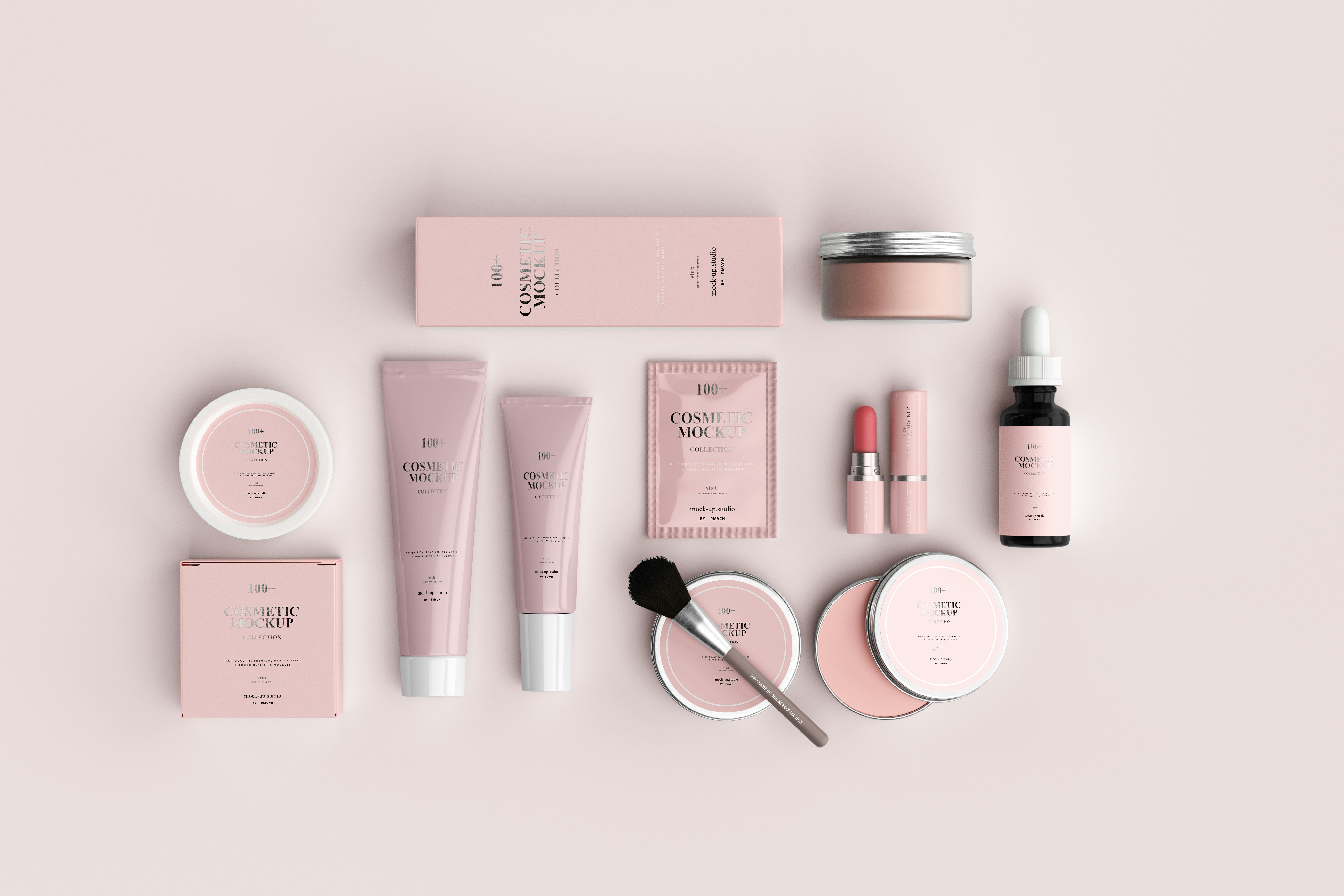
This is exactly why CGI has become indispensable during launch phases. It makes it possible to create professional, photorealistic product visuals that can be used across all media well before the first unit comes off the production line.
What we need to get started
Contrary to what you might think, creating a CGI packshot of a non-existent product requires little more than a clear brief and a few files. The technical files of the packaging in 2D or 3D, precise colour codes, the graphic files of the label elements, and a creative direction that defines the desired atmosphere: that is the working basis. From there, we can build a faithful 3D model and produce visuals that correspond exactly to what the actual product will be.
This process also works for products whose packaging is still being iterated. We can produce CGI visuals of a first version of the packaging, then update them easily when the final design is validated, without starting from scratch.

CGI as a packaging validation tool
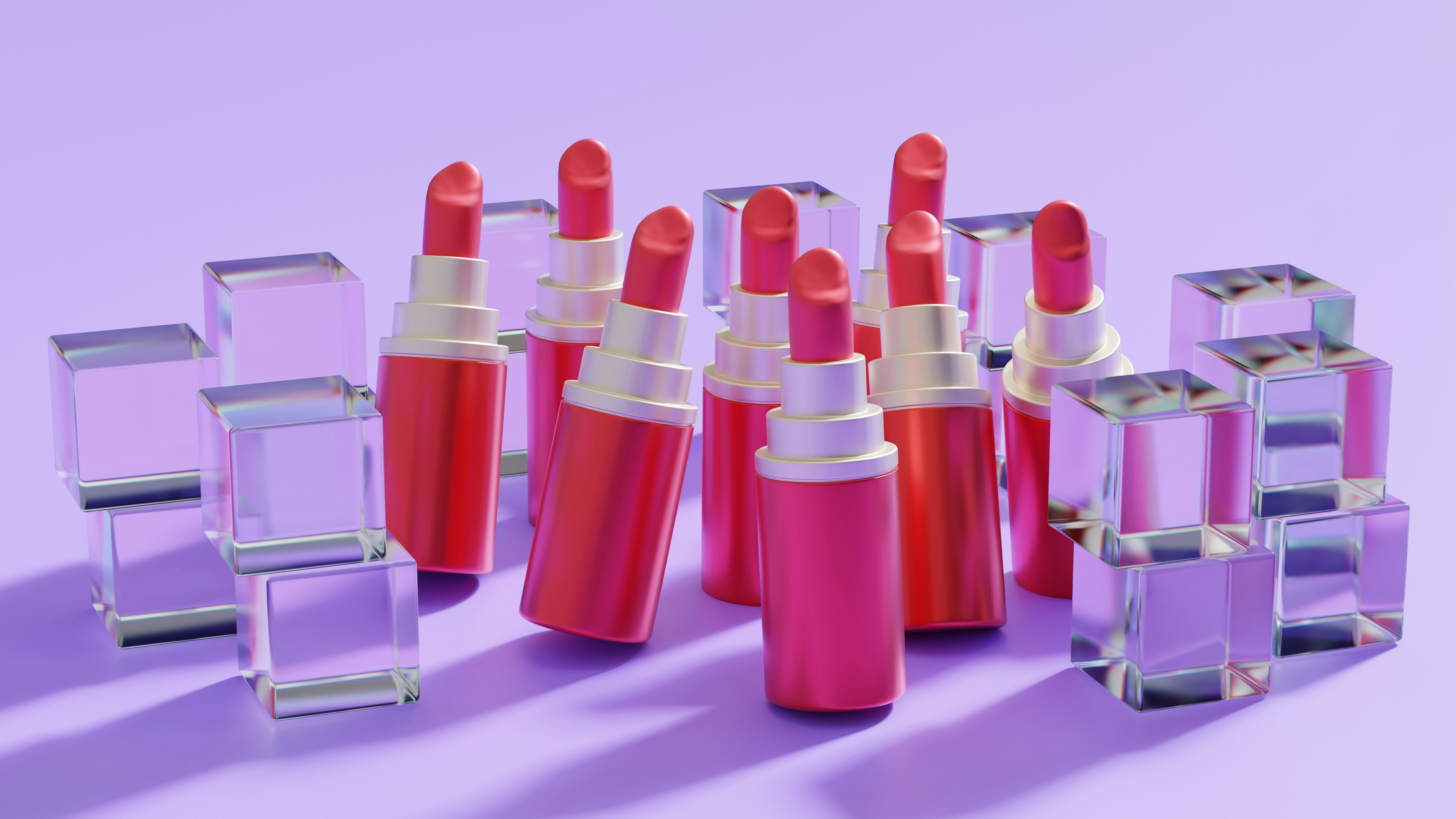
A use that many brands discover when working with us: CGI is not only a tool for producing communication visuals. It is also a design validation tool. Seeing your packaging rendered in photorealistic 3D, in different lighting atmospheres, on different backgrounds, reveals things that a paper mock-up or a 3D-printed prototype does not show.
Is the logo legible in this bottle colour? Do the proportions of the cap look coherent with the rest? Does the choice of matte or gloss serve the brand's universe? These questions find much clearer answers when faced with a realistic CGI render than with a flat lay or an Illustrator file. Some of our clients use intermediate renders directly in internal validation meetings before even validating packaging production.
Launching a campaign before the big day
The time pressure of a launch is often underestimated. Between the date the packaging is finalised and the launch day, the time available to produce all necessary visual content is rarely sufficient if you wait to have the product in hand. E-commerce, social media, press, distributors, shipping packaging, campaign visuals: the list is long and each medium has its own format and quality requirements.
By starting CGI production as soon as the technical packaging files are available, a large part of this content can be ready on launch day rather than after. This is a real competitive advantage, particularly for independent brands that do not have the resources to manage very long production timelines.
And when the physical product arrives?
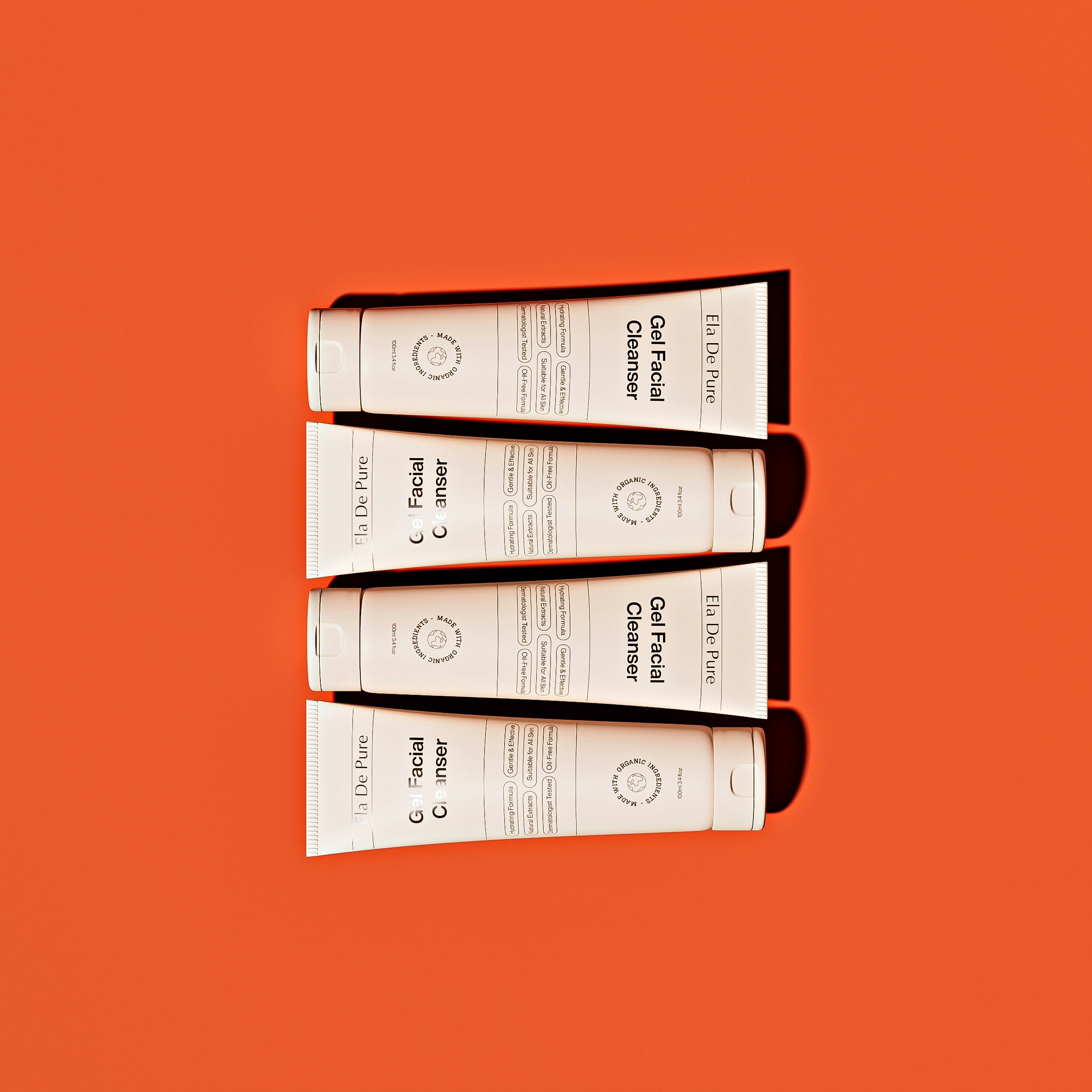
A question that comes up often: what happens when the actual product is finally available? Is the CGI visual still useful? The answer is yes, in almost all cases. The 3D model built for the launch continues to serve for all future variations: new angles, new atmospheres, new seasons, colour variations, animations. The physical product can come into the studio for a complementary photo session if certain uses require it, but the CGI remains the production base for packshot visuals.
In some cases, comparing the final physical product to the CGI render also helps detect any discrepancies between the planned design and what was actually produced. This is a visual quality control step that several brands now integrate systematically into their launch process.
CGI has changed the way brands manage their launches. It made possible what was not possible with photography: starting to communicate about a product before it exists. For marketing teams juggling tight calendars, it is often the difference between a prepared launch and a reactive one.
Do you have a product in development and visuals to prepare?
Get in touch →