 PARAMETRE
Motion design for beauty: how to animate a cosmetic product
Animating a cosmetic product is not improvised. Between brand constraints, beauty market expectations and the technical demands of 3D animation, each project requires specific thinking. Here is how we approach this type of work.
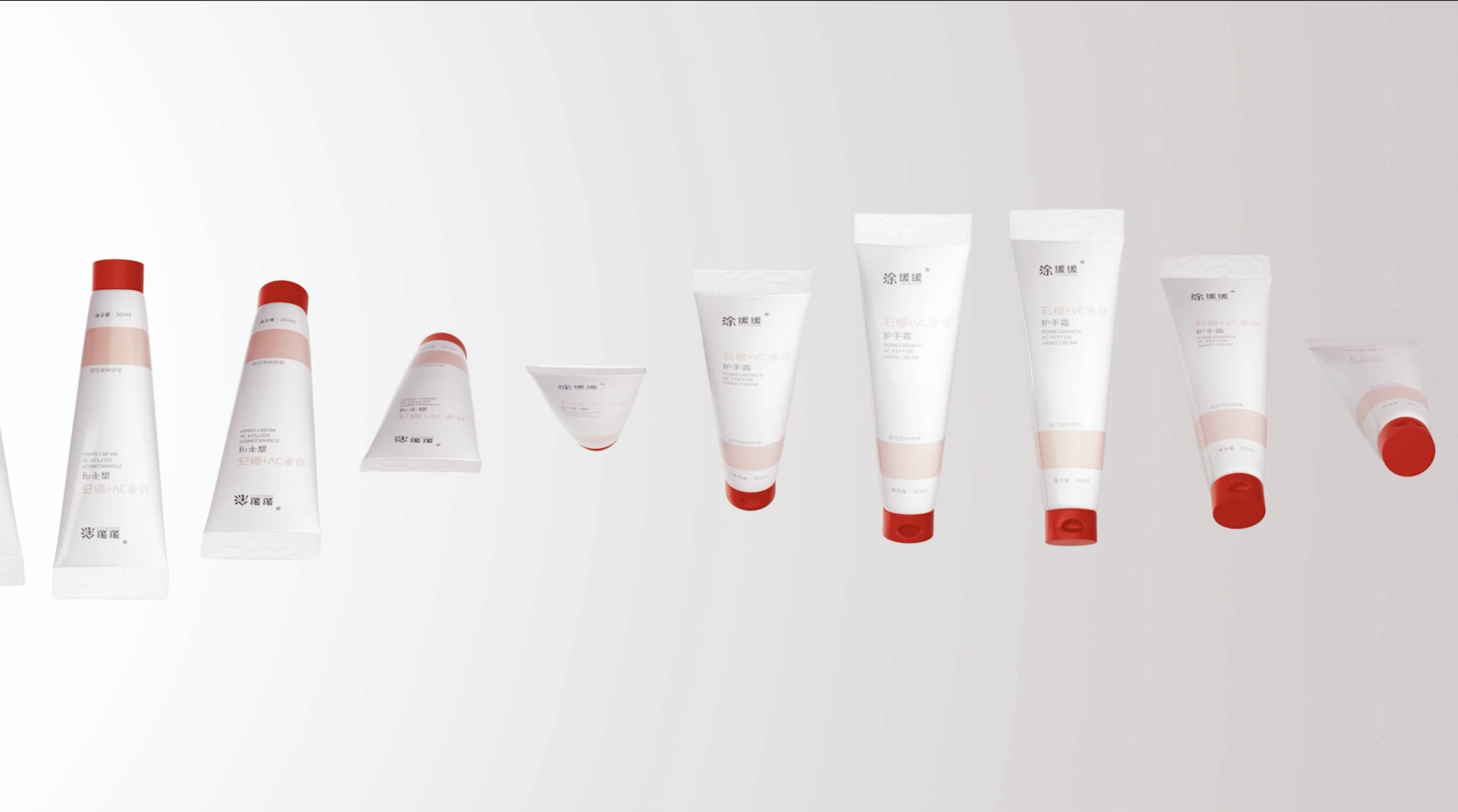
Movement in service of the product
In beauty motion design, movement is never gratuitous. It must serve the product, reveal its qualities, create an emotion. A perfume bottle that slowly pivots to reveal its silhouette. A texture that deposits itself on a surface to suggest the sensoriality of a cream. A particle of light that traces the outline of an applicator to highlight its precision. Every animation tells something about the product.
Before thinking about technique, we ask ourselves what the animation needs to communicate. This question structures every decision that follows: the speed of movement, the type of camera, the choice of elements to animate and those to leave still.
Camera as a narrative tool
In product animation, the camera is not a passive observer. It is a narrative tool. A slow, close-up orbit around a bottle communicates luxury and attention to detail. A more dynamic movement with depth-of-field shifts creates energy and modernity. A fixed frontal shot with animated product elements places the viewer in a direct, almost advertising relationship with the product.
We work on the camera choreography from the earliest stages of production, in parallel with the work on the 3D model and its materials. The two inform each other: the angle chosen influences how the materials are set up, and vice versa.
Materials and fluids: the technical heart of beauty animation
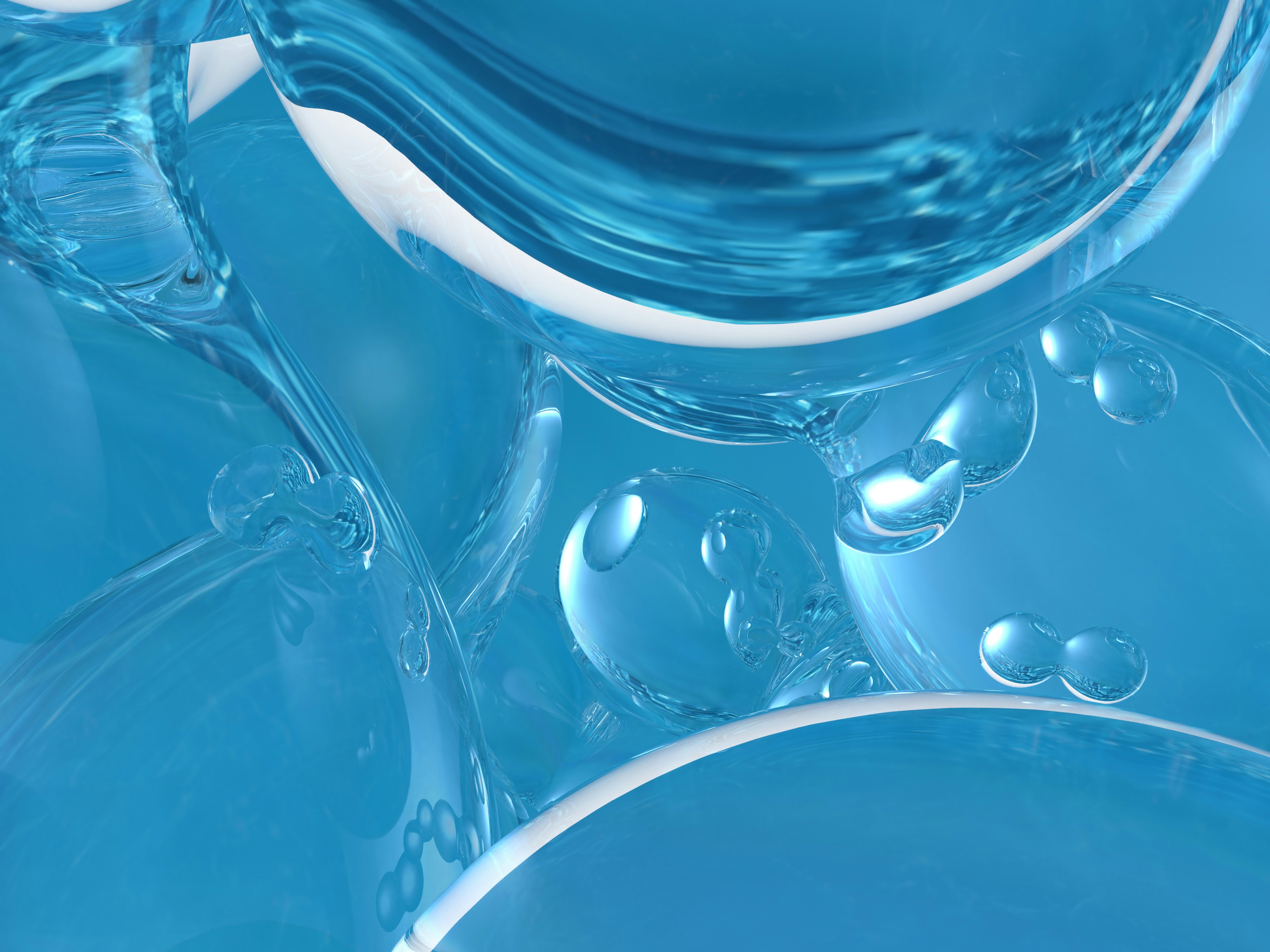
The most technically demanding dimension of beauty motion design is often the simulation of materials and fluids. A drop of serum that slowly forms and falls, a powder that disperses in the air, a fluid that reveals the product as it flows: these sequences require both mastery of fluid simulation and a rigorous artistic sensibility to avoid the result looking artificial.
Adapting to digital formats
A beauty animation is rarely produced for a single format. It must exist in a 16:9 version for digital screens, a 9:16 version for social media, a square version for certain platforms, and sometimes a shorter version for advertising slots. Anticipating these format variations from the production stage avoids costly adaptations after the fact. We systematically work with a multi-format approach from the start, which allows all versions to be derived from a single coherent production.
Beauty motion design is a discipline that sits at the intersection of artistic sensitivity and technical mastery. A well-executed product animation does not just show a product moving. It makes you want to touch it, smell it, experience it. That is the standard we set for every animation we produce.
Would you like to animate one of your products?
Get in touch →