 PARAMETRE
The stages of a VFX production for a beauty advertisement
A beauty advertisement with visual effects is the result of a precise process, often invisible to the viewer, that structures all the work upstream. At Parametre Studio, here is how we approach this type of production.
VFX supervision in pre-production
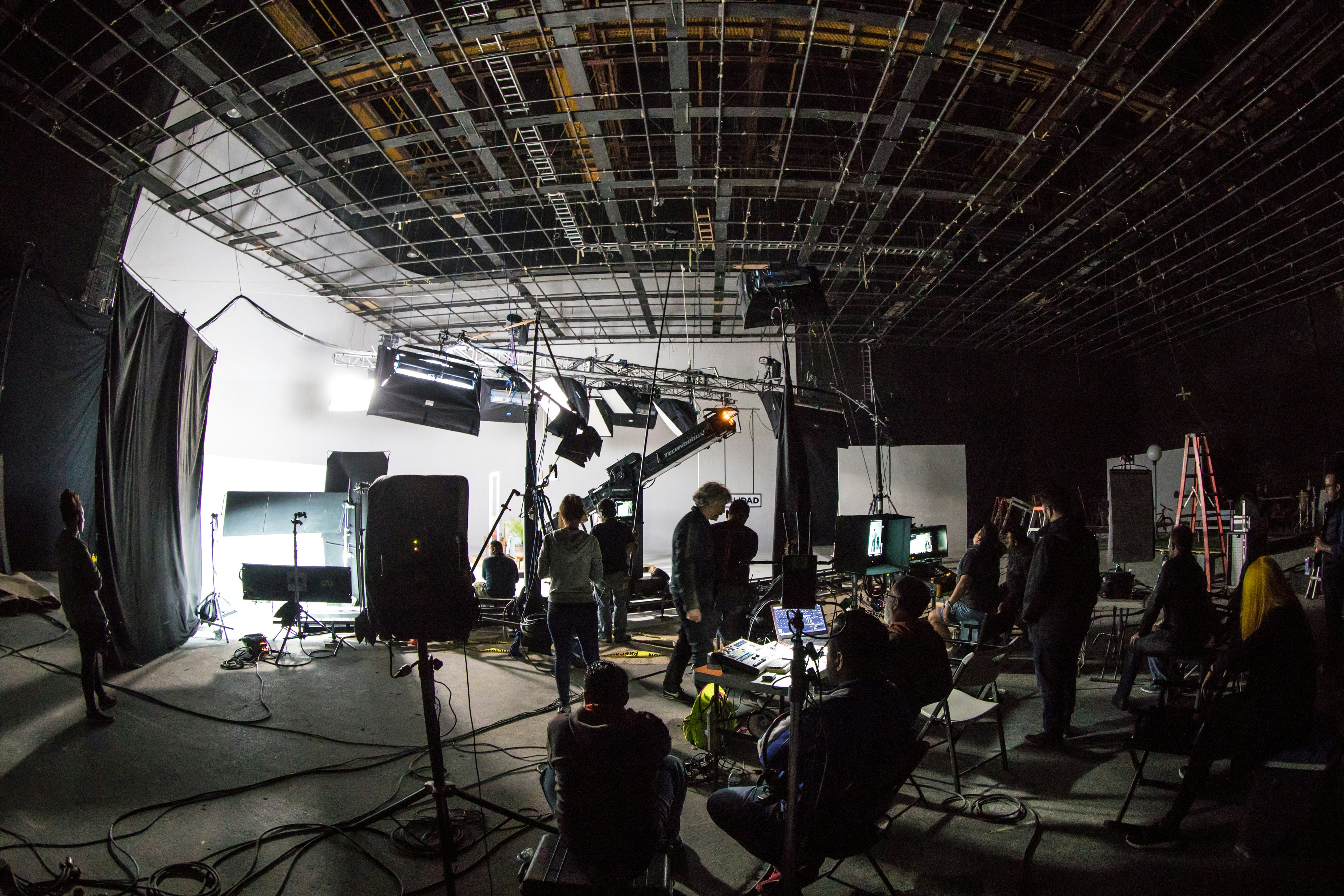
Everything begins before shooting. A VFX supervisor steps in during the preparation phase to analyse the script and identify sequences that will require effects. They work with the director and director of photography to ensure the shoot is planned in a way that facilitates the integration of effects in post. Is green screen necessary? What tracking markers need to be placed on set? How should the product be filmed so it can be replaced by its CGI version in post?
This upstream work is often underestimated. Yet it is what prevents costly problems from being discovered during post-production, when it is too late to go back to set.
Shooting with the VFX in mind
On set, the VFX supervisor ensures that what is filmed will be usable in post. This means checking that the lighting is consistent with the planned CGI elements, that the tracking data is correctly recorded, that the reference photographs required for compositing are taken. It also means being present to solve unforeseen issues on the spot rather than discovering them in the editing suite.
Post-production: where the effects are built
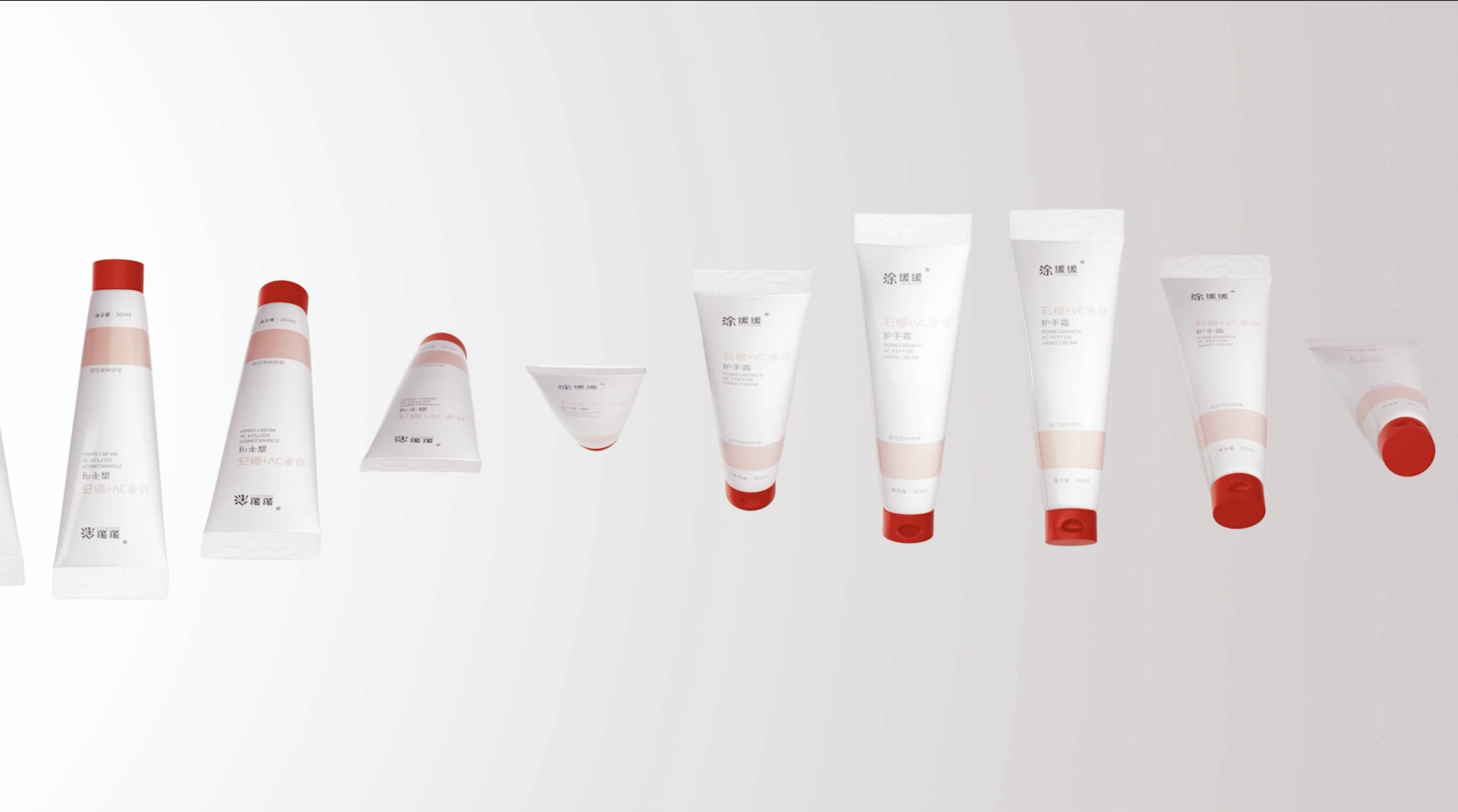
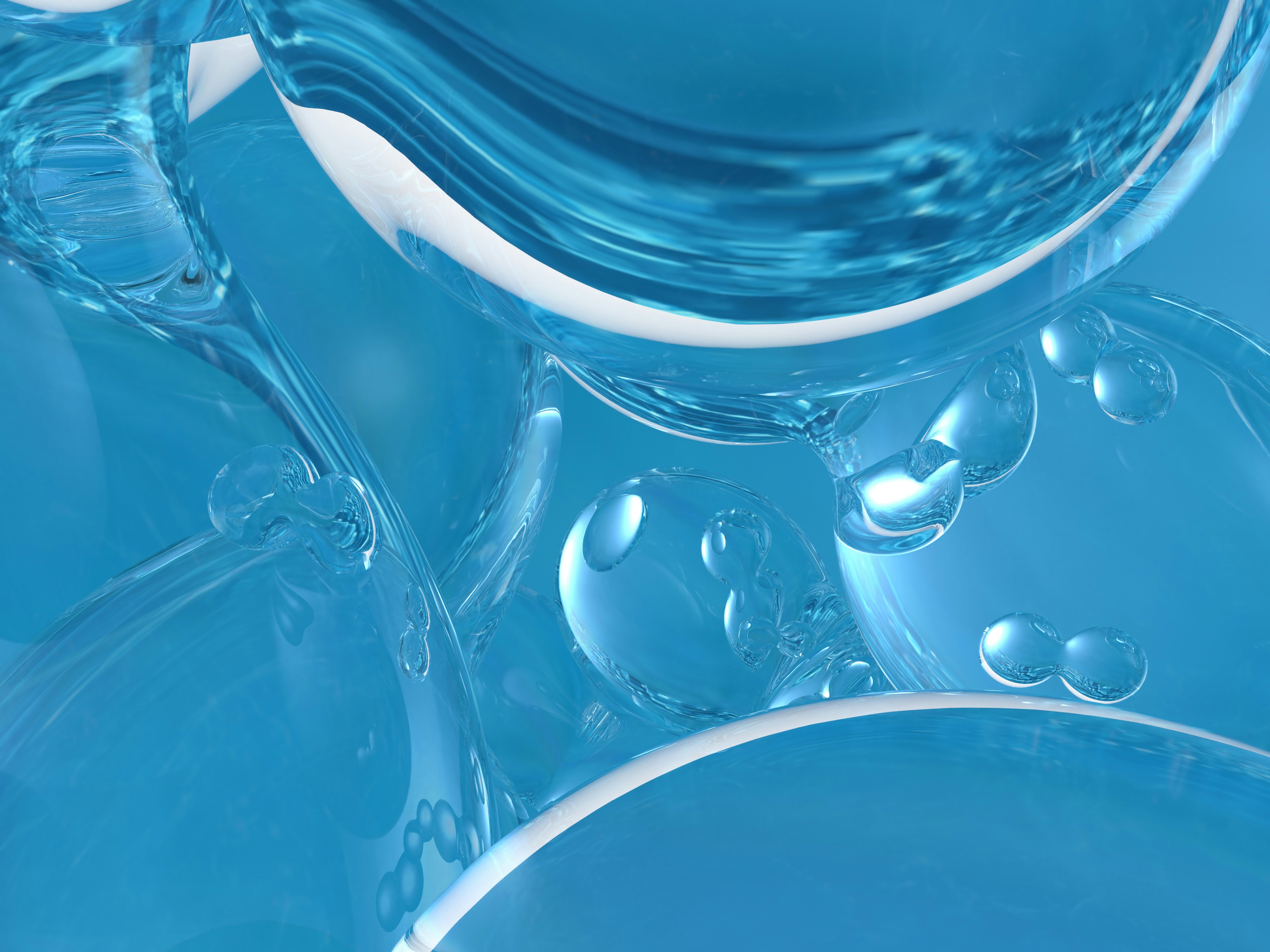
Once the footage arrives in post, the VFX work properly begins. For a beauty advertisement, this typically involves replacing the filmed product with its CGI version for a level of visual perfection that a physical product rarely achieves on set, adding elements such as liquid splashes, particles or light trails, and integrating all of this into the live footage in a way that is visually seamless.
Colour grading as the final step
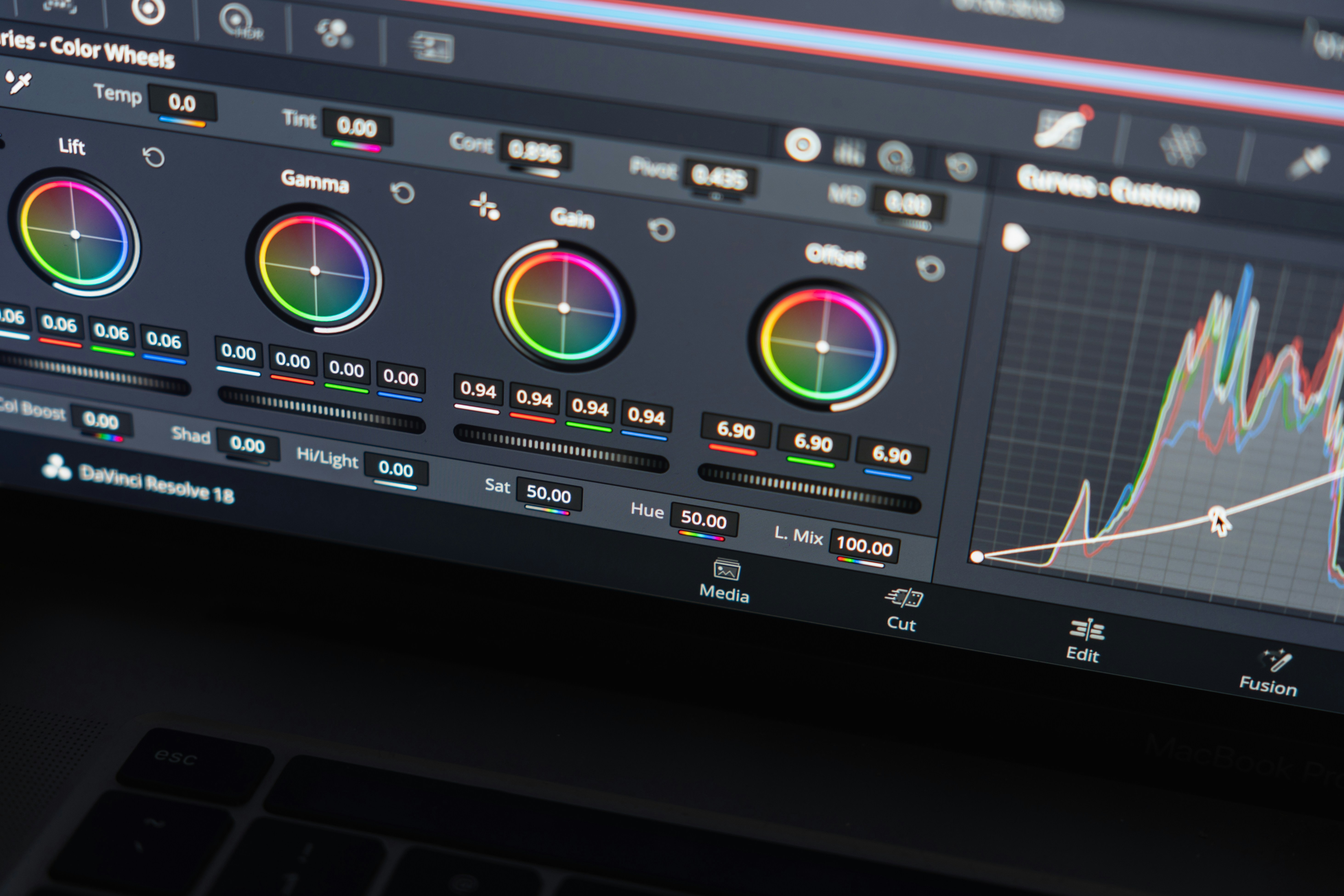
Once the compositing is complete and all the elements have been integrated, colour grading unifies the whole. It ensures that the CGI elements match the live footage in terms of light temperature, contrast and colour, and gives the final image its artistic intentionality. It is often the step that makes the difference between a good visual and one that truly stands out.
A well-run VFX production for beauty is above all a matter of anticipation. The more rigorously the effects are thought through upstream, the smoother and less expensive the post-production will be. That is the philosophy we apply to every project we work on.
Would you like to talk about a beauty VFX production?
Get in touch →